Persimmon – how to grow and eat them.

Persimmon is a commonly cultivated fruit that belongs to the genus Diospyros and is grown on different species of trees. The fruit is edible and can vary in color from light yellow to dark red-orange.
It also varies in shape and size. Some persimmons are rounded, while some are heart or pumpkin-shaped. Likewise, some are as small as three-fourths in diameter, but some are as big as three and a half inches.
If you like the flavor and texture of this delicious fruit, keep reading to know how it’s grown, maintained, and harvested.
How to Grow Persimmon
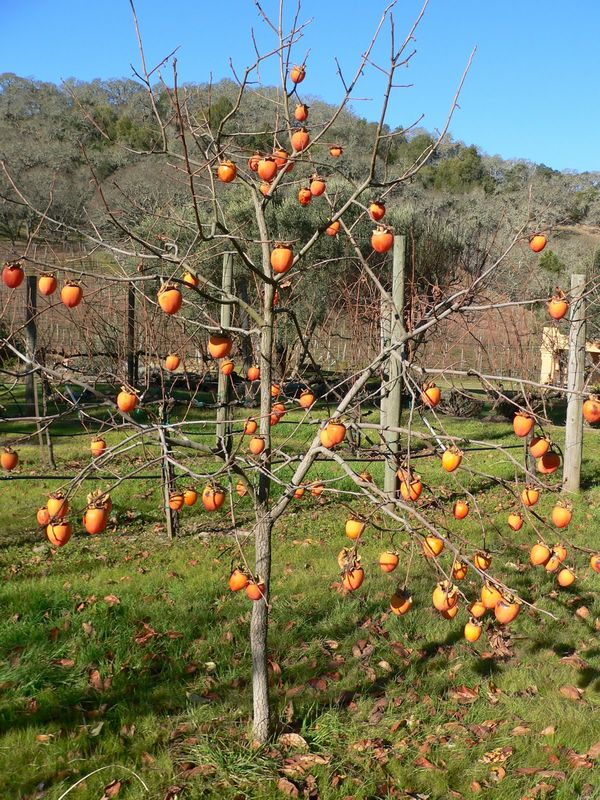
Persimmon trees can be grown from seeds, cuttings, or grafts. If you are using seedlings, choose the ones that are one to two years of age. But the best quality persimmon can only be grown using grafted and budded trees.
Before growing persimmon, consider the type and number of trees to plant. An Asian persimmon is a self-fruiting plant, while an American persimmon tree needs both male and female flowers for fruit.
So, if you have a smaller garden, choose Asian persimmon, but the American version will grow well with a larger backyard.
This fruit tree is not picky about the growing conditions, but it’s best to use soil that ranges between 6.5 to 7.5 pH. In addition, choose a sunny spot that drains well.
Dig a deeper hole to plant persimmon because it has very deep taproots. Consider mixing 8 inches of soil and loam at the bottom, so the tree grows well.
Permission Tree Maintenance
The bright side of growing persimmon trees is that you don’t have to spend so much time taking care of the plant. You need to water the young tree until it is established regularly.
Once the tree starts growing, you can water it whenever there is no significant rainfall. You must only fertilize the tree when it doesn’t appear to flourish.
As a persimmon tree grows old, its requirement for pruning decreases. But if the tree bears less fruit, you should prune it often.
How to Harvest Persimmon
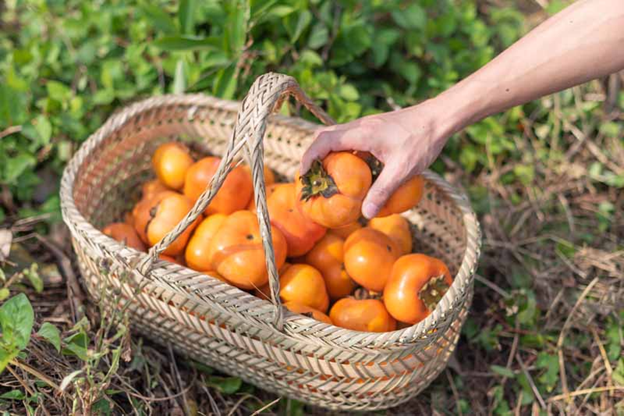
In a year, persimmon fruit has two harvest times, i.e., September-October and October-January.
Unripe Persimmons or Fuyu Persimmon
If you want to harvest the fruit before it reaches the stage of utter ripeness, you must pick the first harvesting season. At this stage, the fruit is referred to as a non-astringent persimmons. It has recently turned from green to orange-pink or red.
The Fuyu persimmons are the most common type of non-astringent persimmon. It is shaped like an acorn and has a light yellow-orange color. Chocolate persimmon is another common variety.
Ripe Persimmons Astringent Persimmons
But if you want to enjoy the full ripe taste of persimmon, choose the second harvesting season. Around this time, this fruit is known as astringent persimmons. The fruit changes its color and looks wrinkly.
Whatever season you choose to harvest persimmon, the method is the same. You will need a pair of gardening scissors or pruning shears. Carefully cut the fruit above the calyx.
Leave the fruit intact with calyx until you want it to eat. This way, you can prevent the fruit from rotting after it’s harvested.
While harvesting firm persimmons, you can pile them in a basket, but when harvesting ripe persimmons, carefully place them in a single layer so they don’t squish.
Hachiya persimmon, Japanese persimmons, oriental persimmons, and American persimmons are common varieties of ripe persimmon. Most cultivated persimmons are ripe and have a sweet taste.
How to Eat Persimmon
If you have never tried persimmons, you might wonder how to eat them? Simple.
Firm persimmons can be enjoyed just like an apple. Except for the core and persimmon seeds, everything is edible. You can also cut firm persimmons and add them to salads or baked goods.
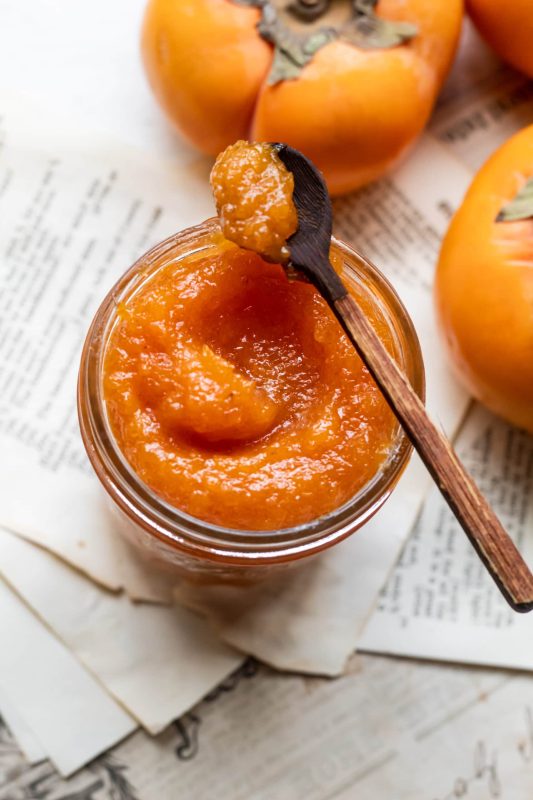
If you have ripe squishy-like persimmon, cut it in half, and scoop the squishy flesh out. Or you can cut the fruit into pieces and eat it with a spoon. Pair the fruit with ice cream or yogurt. Persimmons taste the best in desserts, smoothies, and oatmeal.
Recipe for Persimmon Fruit
Persimmons taste and look unique, which allows them to blend well in many recipes. Raw and ripe versions of this fruit can be used in different ways.
Raw persimmons can enhance salads or baked goods with additional taste. On the other hand, fully ripe persimmons can be utilized in sweet dishes such as smoothies, bread, muffins, jam, cookies, or pudding.
Conclusion
Persimmon is an edible fruit ranging from light yellow to dark red-orange color. It has a sweet taste with a hint of honey or squash. It can be eaten fresh in raw or ripe form.
Additionally, growing persimmon fruits is also easy. The tree needs less maintenance and has two harvesting seasons. You can harvest either raw or ripe fruit.
Persimmon go so well with other fruit such as cherries, check out our other fruits as well, right here!