
Raised Garden Beds-How good do they look!
When it comes to building a raised garden bed, you have endless possibilities. That’s because it can be made in countless shapes, sizes, and layouts. How good do raised veggie garden beds look!
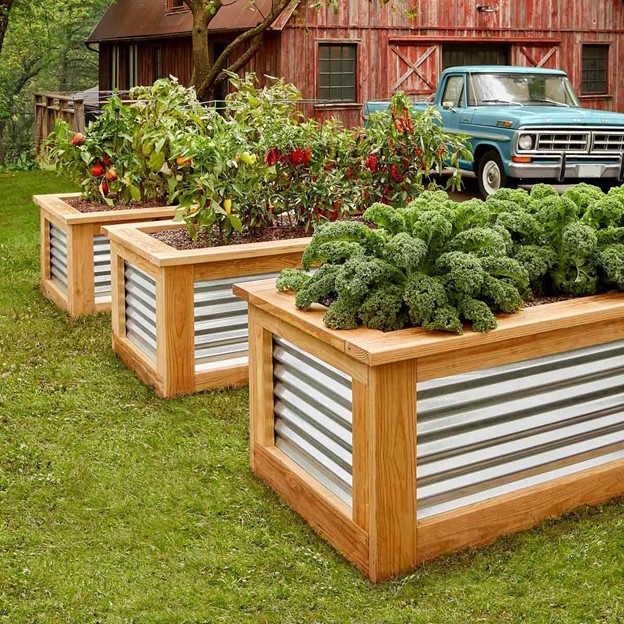
You can also choose from different materials, like stone, plastic, or cardboard boxes. While you have so many options, choosing an expensive material makes sense because it ensures your raised garden bed lasts longer.
But what is the purpose of wooden raised garden beds? How can they help you? Scroll down to get the answer.
Benefits of Using Raised Beds for Vegetable Garden
Here are the benefits of wooden raised beds for vegetable garden:
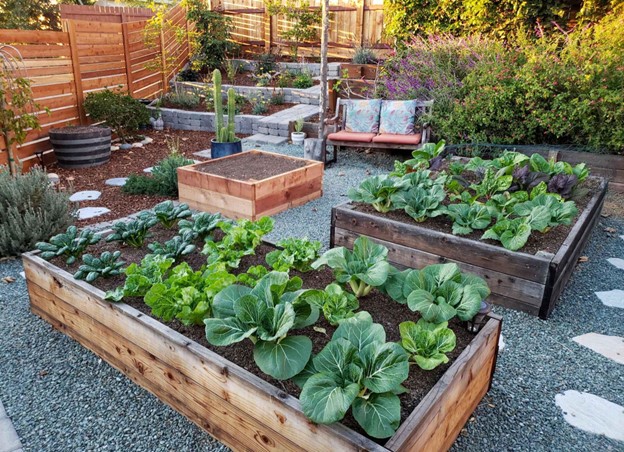
#1 No Tilling is Better for Soil
Rot resistant wood garden beds allow you to set up the soil for easy gardening. Rather than tilling the soil yearly and adding fertilizer, raised gardens require you to add materials on the top.
Manures, compost, and mulches are the best choice as they can go directly onto the top a few inches. They do not require backbreaking work. The soil in raised garden beds can do self-tilling because worms and roots regularly push their way through.
Natural soil tilling through plant roots and worms does not deplete the soil structure of a vegetable garden.
#2 Easy on your Back
Tasks as simple as garden weeding can take a toll on the back and knee. But you can fight this issue using a raised garden bed, at least 12 inches tall.
No matter if you are new to the gardening world or have been doing it for a long time, it’s wise to look for better options. More than a luxury, you can consider raised garden beds as an investment in health.
#3 Raised Garden Bed Look Nicer
Raised garden beds have practical uses and also make the garden look impressive. They also make pathways a bit easier to maintain.
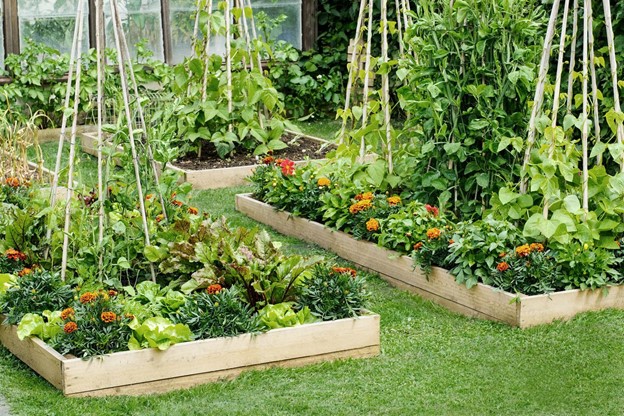
#4 Raised Bed Help Keep Out Critters
Growing a garden feels good, but slugs can climb. One way you can slow them down is by using raised garden beds. Slugs do not crawl over the copper flashing.
You can use a hardware cloth at the bottom of the raised garden box to decrease critters crawling, like groundhogs. If deer are a problem in your area, consider adding deer fencing directly on the garden bed. Lastly, you can use plastic hoops to raise garden beds for bird barriers or row covers.
#5 Raised Garden Beds are Easy to Move

If you live in a rented place, you might need to discuss this with your landlord before growing plants in the backyard. But you can avoid it by using raised garden beds. A neat and properly built raised garden bed looks good and enhances property value.
A raised garden bed is built by setting the box on the ground. As you place the cardboard over the grass inside, you can take the box with you and spread the soil to grow your garden anywhere else.
How to Build Raised Garden Beds
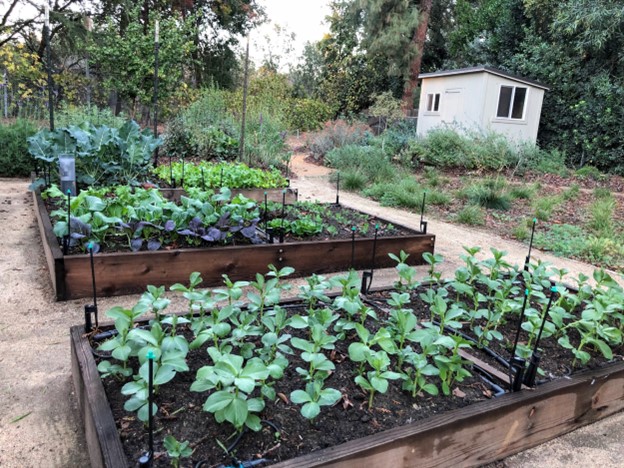
You must never use materials that can leach toxins into the soil. Chemicals and heavy metals in soil can decrease its nutrient level.
Here are two ways to build raised garden beds:
Basic
You can make a basic raised garden bed by outlining the spot. Try keeping the spot between 3 to 4 feet wide so you can quickly reach the center.
If the spot has sod or grass, mow it really short and dig it out. Keep the clumps aside. Then loosen the soil bed, flip the clumps down in the bed, scrape the good soil, and add it to the bed.
You can use additional supplies to raise the soil level. Lastly, add a layer of organic matter and make drainage holes. Good drainage system allows fruits and vegetables to get nutrients from the soil.
Grow plants of your choice in your basic garden bed in large quantities.
Non-Digging raised garden beds
If you don’t want to dig the surrounding soil, the non-digging method to build raised garden beds is for you. Start by mowing the grass close to the ground. Properly cover the area with cardboard to smooth the grass. The cardboard will eventually rot down into the soil.
Use a newspaper to overlap the cardboard so the weed does not slip through the cracks. At last, add a thick layer of compost on top of the cardboard and grow plants of your choice. You can fill the wooden raised bed with grass clippings and cut wood followed by a layer of topsoil.
The composite you have added on the top will eventually go under the loose soil through worms. Regularly add a top layer of organic matter to improve the soil’s fertility. Lastly, make drainage holes.
Non-digging raised garden beds are getting popular because digging is believed to bring more weed seeds to the soil surface. Also, digging the surface decreases soil quality and makes it lose its ability to drain properly.
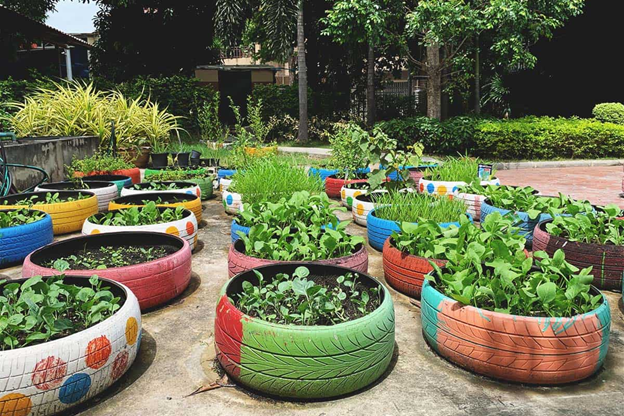
Other creative ways of making raised garden beds include using old tires, landscape fabric, cedar wood, plastic, brick, and other materials. Add more soil to the mounded beds to make them visually appealing.
Conclusion
Raised garden beds are pretty useful. They reduce the need for soil tilling, look nice, keep the critters out, improve soil drainage, and avoid soil contamination. With a little upfront cost, it offers an easy way to start gardening.
If you want to build a raised garden bed for your own garden, follow one of the two ways recommended in this post. This way you can have a large garden to grow food, flowers, vegetables, crops, and plants.
Take a look at how to create the perfect veggie garden.