Dwarf Fruit Trees-Small but bountiful harvests!
Lets explore the world of Dwarf Fruit Trees, small fruit trees that give you full sized fruit without the full sized fruit tree. By opting for dwarf cultivars, homemakers can grow most fruit trees in a tiny space. We have enlisted some fruit trees that will yield edible produce even if you grow them in containers, you can grow fruit trees that will still bear full sized fruit.
It must be a pleasant surprise to you, but mostly the dwarf fruit trees grow pretty well as they are already self-fertile. In brief, they don’t depend on another plant that would cross-pollinate with them to grow fruits.
Irrespective of the fact, if you intend to grow your dwarf fruit trees in your backyard or a small jar placed at your window, simply make sure that the chosen spot receives full sun and has good drainage.
What is a Dwarf Fruit Tree?
Dwarf fruit trees are small trees that are perfect for small space areas like balconies and backyards. Although these produce fruit that is of the standard size, the yield is generally much lower than full sized fruit trees.
The dwarf version of trees involves a thorough process to gain a small size. It does not require any genetic engineering. It’s one of the forms of asexual reproduction that requires joining the significant parts of two or more living trees. This process takes cutting a part of the parent fruit tree from the upper portion. Trees can maintain their miniature form and compact proportions. All the credit is bagged by the unique horticulture technique popularly known as grafting.
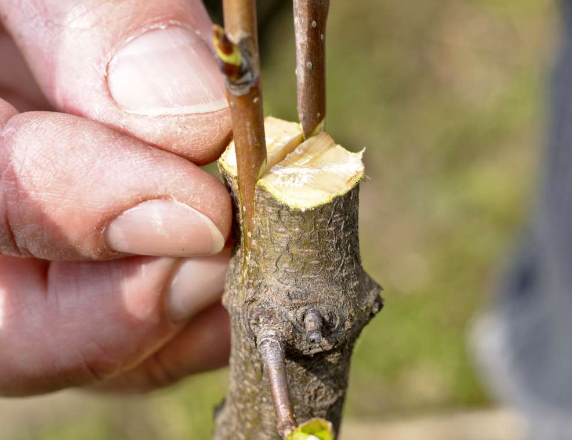
This is generally referred to as a scion, a selection of branches with budding tips. The scion is very carefully attached to the rootstock of another compatible tree. You don’t have to be a gardening expert to perform this technique or any pruning requirements. All it takes is practise and a keen eye.
Both the upper and the lower sections are conjoined at the cut. The scion bears fruit, and the rootstock determines the exact size of the tree, the diseases or pests, its strength to withstand, and the soil type for new growth.
How To Grow A Dwarf Plant?
If you are all in for year-round freshness, fragrance, and tastiness, that too at the convenience of your indoors, dwarf or semi dwarf trees are great. But the required care is different; it varies from plant to plant.
Hence we suggest that you work with a fruit or a plant that you are familiar with, such as the Meyer lemon tree. Meyer lemon trees grow well in the ground but can be equally as good as a dwarf tree in a pot. Once you have decided on the plant that you want to go for, it will require some specific conditions that would allow the plants to thrive; we’ll be mentioning a few of them:
- The most favorable temperature would be something between 60-65°F (15-18°C)
- The plants must be placed under bright sunlight, and the trees must receive direct sunlight for at least eight to twelve hours
- A humidity of 50% is a necessity
- The soil bed should be enriched with nutrients and fertilizers
- The last but most important fact is to keep the soil moist and ensure it has proper drainage.
Benefits of Dwarf Fruit Trees
The smaller size of the dwarf fruit tree brings plenty of fringe benefits; through this section, we’ll be elaborating on a few:
#1 Good For Small Spaces
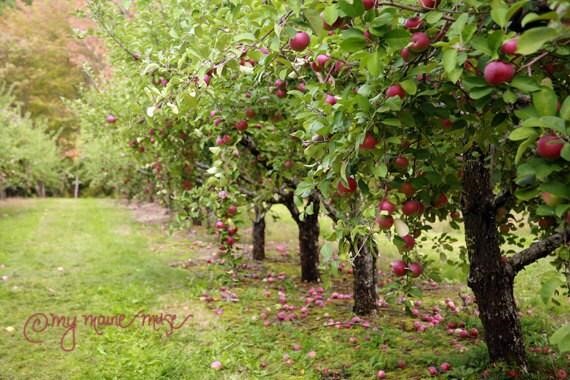
These miniature trees are perfect for smaller outdoor spaces. The dwarf rootstocks can range to just three feet in height and width, allowing you to plant these little trees in your backyard, in a container on the balcony, or on the patio. So if your garden space is not large, maybe a self pollinating orange tree, tangerine tree or even an ice cream mango may be the go for you. Container gardening is another horticultural technique you could adopt to introduce small fruit trees into your space. There would be a self fertile/self pollinating small tree for you whether you are in a warm climate or a cold climate.
#2 Easier Care

Since these trees don’t grow beyond 10 feet, it makes their maintenance easier. Tree pruning and picking of fruits can be accomplished from the safety of the ground. No more climbing those apple trees and getting stck.
#3 Faster Fruit
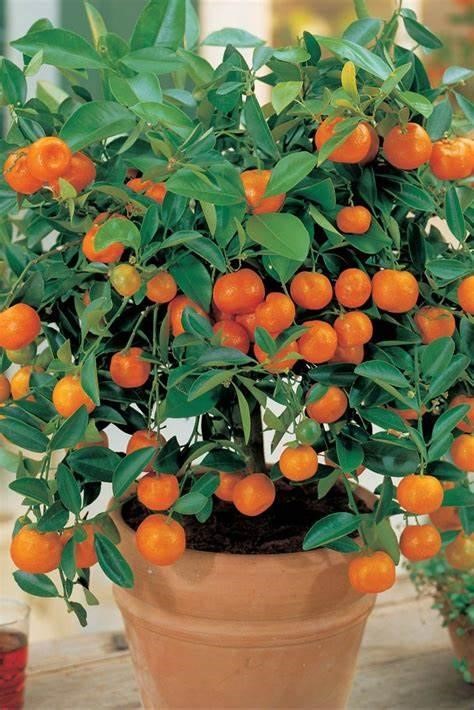
These dwarf trees reach the fruit-bearing age pretty much earlier than the average fruit trees. A dwarf tree produces fruit within a year or two.
#4 Denser Plantings
These miniature trees don’t need extra space due to their compactness, they usually grow in clusters, and thus, they can be planted close to each other compared to their standard relatives.
#5 Customizable
All credits to grafting; now you can customize the tree. The diversity is extensive; soil, size, course, disease resistance, and other options are available.
Few Drawbacks of Dwarf Fruit Trees
1. Shorter lifespan
The dwarf fruit trees have an expected life span of 15 to 20 years. But there are also exceptions when the trees live for an average of 35 to 45 years.
2. No shade
You can’t expect these dwarf fruit trees small trees to offer shade when they are too short and narrow to provide any.
When to Plant Dwarf Fruit Trees?
Spring and fall are probably the best seasons to plant these dwarf trees for optimum results. But if you are in a hurry, then early summers or mild winters should also work well for you.
Ensure that you don’t overwater the pants during summers and that a thick layer of mulch is added to your soil bed during winter.
3 Dwarf Fruit Trees to Grow
Although you can grow different dwarf varieties, you need to consider aspects like climate, drought tolerance, etc., for them to bear fruit. That is because not all dwarf or semi dwarf trees can grow in tropical climates or warmer climates.
Besides the ones mentioned below, you can also grow other fruit trees like Meyer lemon trees, apple trees, fig trees, orange trees, ice cream mangos, etc.
1. Red Delicious Apple (Malus domestica ‘Red Delicious)
This apple tree is one of the most popular picks, with fragrant blooms and equally pretty pinkish-white flowers in the spring. During the autumn, it bears juicy and sweet fruits that you can enjoy without hesitation.
This apple tree grows approximately 8-10 feet tall in and around the USDA hardiness zones.
2. Elberta Peach (Prunus persica ‘Elberta’)
These Elberta peach trees have yellow freestone fruits with a reddish-pink undertone. They are large, juicy, and have a subtle sweet taste. During the spring, your house will be flooded with masses of fragrant pink blossoms that you’ll simply adore.
3. Black Tartarian Cherry (Prunus avium ‘Black Tartarian’)
These cherry trees bear tender and plump cherries and are rich and loaded with antioxidants. Perfect for canning and preserving, the black Tartarian cherry put on a gorgeous show during the springs, all decked with white-colored blossoms and mesmerizing scent.
FAQs
When to Prune Dwarf Fruit Trees
Late winter or early spring is the ideal time for annual pruning.
What Time of Year Do I Harvest Dwarf Fruit Trees?
The time to harvest varies for each fruit type. The harvest time is almost similar to their standard season.
Conclusion
Regardless of the zone you are in, whether you are in a tropical climate or in colder climates, there is a fruit tree that will suit your growing conditions and produce fruit. Whether you are looking for a full sized tree or a smaller tree, it is up to you to keep it to a manageable size. Now that your search for dwarf fruit trees has come to an end. We hope this article was able to answer all your questions. You can explore many options; it simply depends on your hardiness zone. So, bring out those tools and prepare your soil bed. Happy planting!
Don’t forget to check out our other guides.