Growing olive trees can feel like a daunting task.
Attempting to create a Mediterranean paradise in your backyard can be quite the challenge, particularly when it comes to cultivating olive trees from scratch.
Growing olive trees from scratch.
You might be clueless about where to start. But this is what separates an average gardener from a horticultural enthusiast. If you don’t know how to cultivate these ancient beauties sustainably, you’ll never reach this level.
Nurturing healthy and productive olive trees isn’t easy folks.
Consider one amateur gardener who recently told me that as soon as he planted his first sapling…it died within weeks due to improper care and lack of knowledge on pest control.
Now he’s hesitant about trying again, fearing he’ll never achieve that dreamy grove in his backyard.
No wonder!
But truth time… Without proper guidance and patience, he won’t.
Table of Contents: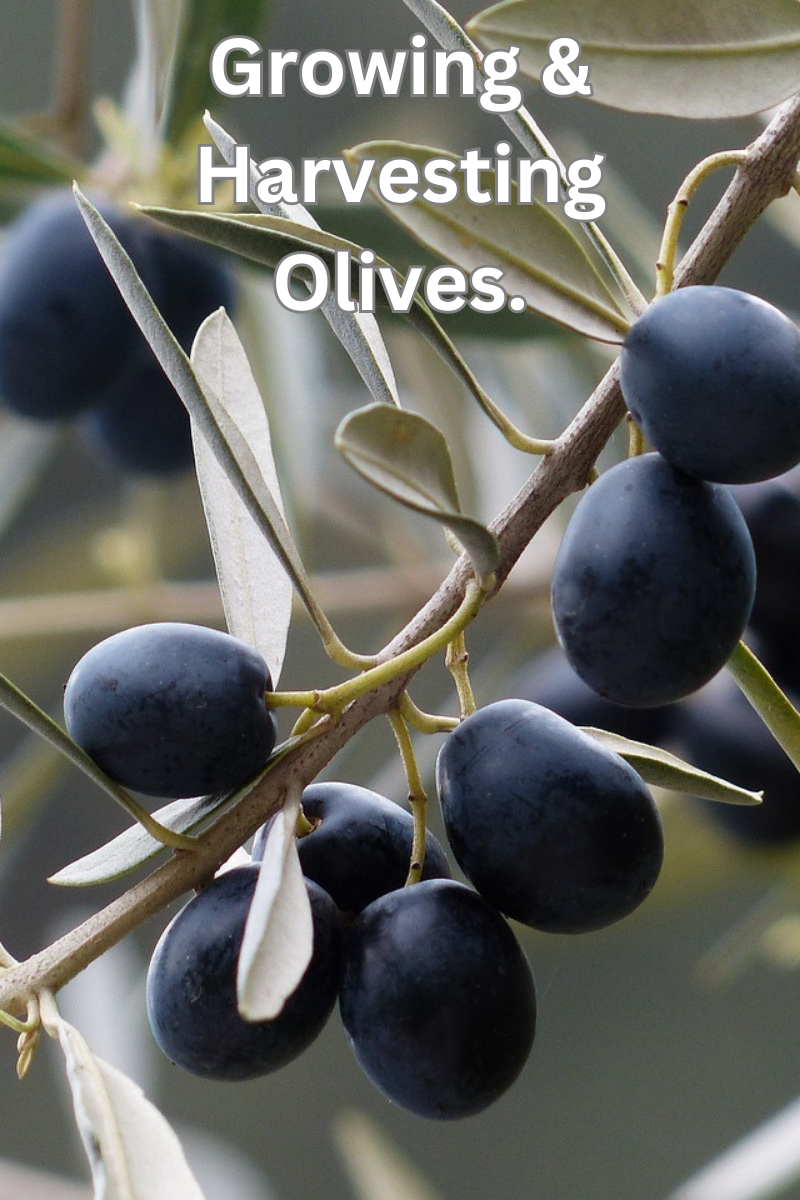
- Understanding Olive Harvesting Seasons
- Traditional vs Modern Olive Harvesting Methods
- Deciding When To Pick Your Olives
- Processing Time Frame After Picking
- Effective Home-based Olive Harvesting Techniques
- Selective Picking Based On End Use
- Yield Expectations And Labor Involved In Home-Based Olive Production
- FAQs in Relation to Olive Trees
- Conclusion
Understanding Olive Harvesting Seasons
The art of olive cultivation is a fascinating journey. The timing to pick olives can influence the quality and flavor profile of your produce, which makes it an essential aspect in olive oil production.
Factors affecting olive harvest time
Your geographical location plays a crucial role when it comes to picking olives. Climate conditions in different regions impact the growth cycle of these Mediterranean trees and their fruit maturity stages. It’s no surprise that areas with Mediterranean climates are more suitable for growing Olea europaea compared to colder or tropical zones. There are other factors that affect all fruit baring trees as well as all plants, edible and non-edible alike. One such massive factor is the consideration of your soil preparation, along with your plants positioning and type of garden bed. Check out our guide for beginners.
Variety matters too; some types ripen faster than others. For instance, popular varieties like Manzanillo and Sevillano tend to mature earlier while others such as Arbequina may take longer. Choosing the right variety based on your climatic conditions could be key towards successful home-based edible gardening.
Stages in olive ripening
All table olives start off green before they gradually turn rosy due to anthocyanin pigments development during veraison (the onset of ripening). Eventually, they become black upon full maturation – typically between late August through November depending on specific varietal characteristics and climate conditions. The transformation from green-to-black signifies various taste profiles: Green ones are usually bitter but have higher antioxidant levels whereas fully ripe black ones yield sweeter tastes with lower antioxidants content.
Picking at different stages results in varied flavors: Early harvested fruits offer robust bitterness indicative of high oleic acid concentration, while later picks mellow down, offering balanced fruity notes without losing much nutritional value. Some growers prefer mixing all three stages, creating unique blends balancing both health benefits and sensory pleasure. However, remember that overripe fruits might lead to rancid oils due to high free fatty acids, so timely picking becomes critical here.
The success of home-grown olives hinges on understanding the harvest seasons, choosing a variety that suits your climate, and picking at the right ripening stage. Remember: location affects maturity, variety impacts flavor profile, and timing influences both taste and nutritional value.
Traditional vs Modern Olive Harvesting Methods
The olive tree, or Olea europaea to use its scientific name, is a staple of the Mediterranean region. Its fruit and oil have been cultivated since ancient times by people in Mediterranean countries who understood the importance of this versatile crop.
Today’s modern world has brought changes to how we harvest olives. But whether you’re an old-school hand picker or prefer using cutting-edge machinery, it all comes down to one thing: getting those delicious table olives off your trees and into production.
Manual Olive Picking Method
Pulling each olive from the branch with care might seem like hard work – because it is. This traditional method requires time and patience but rewards you with high-quality fruits perfect for creating superior olive oils at home.
Selective picking based on ripeness allows growers control over their product’s flavor profile – essential if you’re aiming for that specific taste only achieved through careful cultivation. Remember though, producing just one gallon (3.8L) of pure pressed oil takes about 80-100 pounds (36-45 kg) of harvested fruit so be prepared for some serious effort.
Machinery-Assisted Olive Harvesting
If manual labor isn’t quite your style, there are plenty of machines ready to lend a helping hand. Vibrating tongs? Tractor-mounted shakers? They can make light work out of harvesting even large groves full young trees bursting with ripe olives waiting become next season’s best-selling extra virgin blend.
However, keep in mind these mechanical methods may result in bruised or damaged olives, which could affect the quality of the final output, especially when used in small-scale operations where every single olive counts towards achieving the desired yield.
Choosing the Right Approach for Your Grove
So should you go old school and stick to the tried and true manual picking, or opt for the efficiency of a mechanized approach? Ultimately, it depends on factors such as the size of your grove, available resources (both human and financial), the end product, and your personal preference for hands-on involvement versus the speed of operation.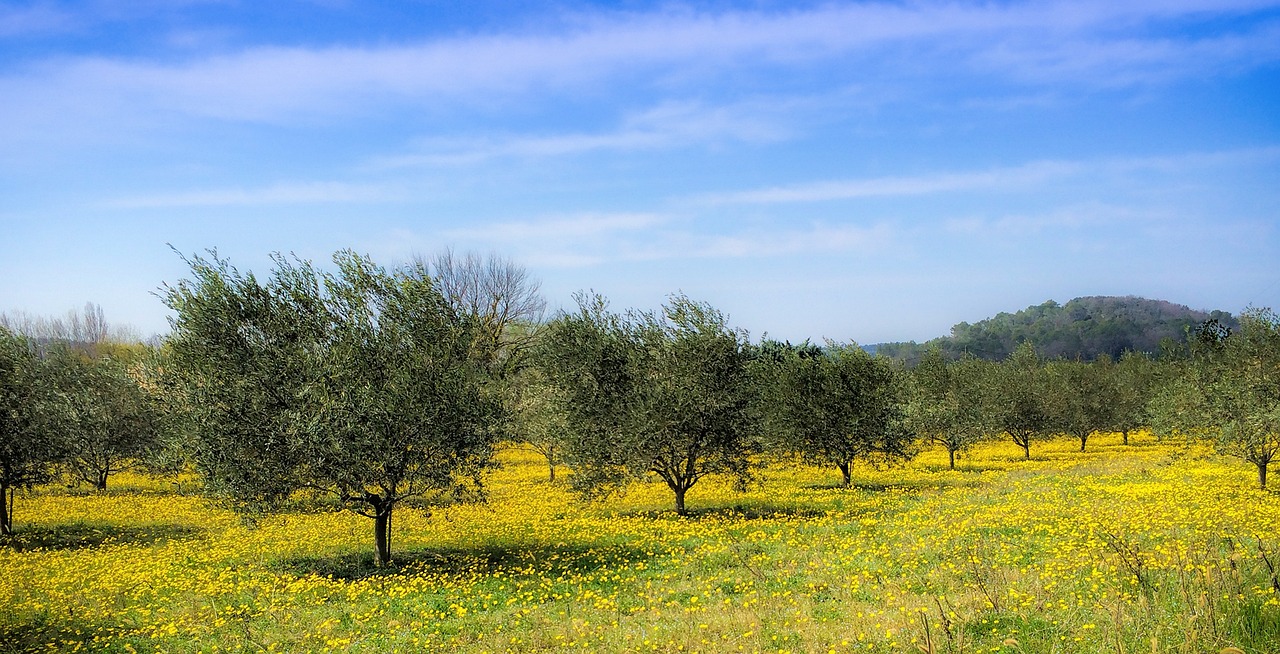
Whether you’re a traditionalist, hand-picking olives with care for quality, or prefer modern machinery’s efficiency, olive harvesting boils down to getting those tasty fruits off the tree and into production. Remember though – superior oils require effort and mechanical methods might bruise your bounty.
Deciding When To Pick Your Olives
The world of olive cultivation revolves around the flavor profile you’re aiming for. The taste journey an olive embarks on as it matures is fascinating, and savvy growers use this to their advantage.
Choosing between Early and Late Harvests
An early harvest yields olives with a robust bitterness that can be quite appealing in certain types of extra virgin olive oil. These oils are known for their bold flavors which stand out in culinary applications. But if your palate leans towards milder or sweeter notes, waiting until later in the season when the fruit has fully matured might be more up your alley.
This late-harvest period typically happens once olives have darkened into full maturity – they not only contain higher levels of oleic acid (the primary fatty acid found in all quality olive oils) but also deliver a smoother tasting experience compared to those picked earlier.
Deciding Between Pressing For Oil Or Brining
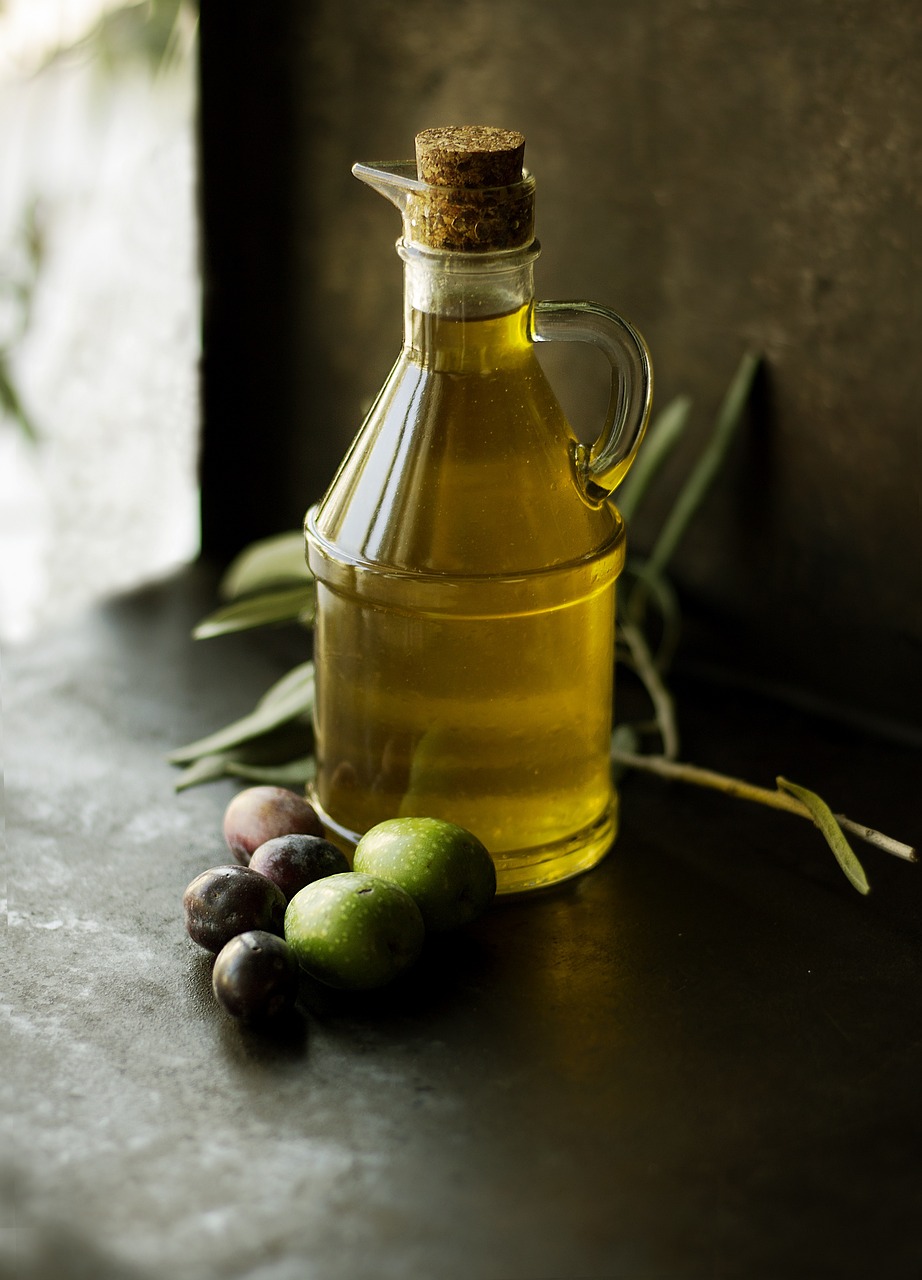 Your end game plays a significant role too – whether you plan on pressing these Mediterranean gems for oil or preserving them through brining will determine optimal picking time. If producing rich, aromatic oil is what’s cooking then harvesting at different stages allows blending unique flavor profiles. A mix of green, rosy and black fruits could result in interesting concoctions indeed.
- If planning on brining though, aim to pick while still green or slightly turning color since firmness at these stages helps withstand the preservation process better resulting in tangy table olives loved across Mediterranean countries.
Remember, however, irrespective of how you intend to use the harvested crop, freshness post-pick is crucial, hence timely processing becomes a key aspect here.
Processing Time Frame After Picking
The moment you pick your olives, the countdown begins. Just like a ticking time bomb, every second matters in preserving their freshness and quality.
Importance of Timely Processing after Harvest
To preserve the goodness packed inside each olive fruit, it’s crucial to process them within three days post-harvest. The natural composition of these Mediterranean gems includes polyphenols – potent compounds that contribute to health benefits but are susceptible to oxidation when exposed to air.
Oxidation is not an ally here; it introduces free radicals which can cause cellular damage resulting in off-flavors or rancidity. So whether you’re pressing for oil production or brining table olives for preservation at home, prompt processing is key.
In addition to swift action after harvest, proper storage also plays its part during this critical period. Your harvested olives need cool conditions away from direct sunlight until they’re ready for use—think temperatures between 40-50°F (4-10°C) with relative humidity levels around 90% as ideal settings.
If immediate processing isn’t feasible due to climatic conditions or logistical reasons such as transport time or lack of facilities, temporary cooling methods like ice packs or refrigerated vehicles could be considered. However, remember: these stopgap measures shouldn’t replace timely utilization.
Taste Profile: A Matter Of Timing And Speedy Action
Beyond maintaining quality, there’s another compelling reason why quick action matters for the flavor profile. Early harvesting yields more robust flavors, whereas late ones result in softer notes; however, both types risk losing distinctiveness if left unprocessed for too long. If the bold peppery taste characteristic of early-picked olea europaea is what you’re aiming for, mellow buttery undertones associated with matured fruits, preference for swift utilization ensures capturing the essence intact without compromise.
Remember, though, even small-scale olive oil production requires significant effort. Given that a yield of approximately one gallon (3.8L) of pure pressed oil takes about 80-100 pounds (36-45 kg) of harvested fruit, implying multiple trees would be needed besides considerable labor involved.
So the next time you see a single tree laden with ripe black or green fruits in the Mediterranean region, spare a thought for the hardworking growers who’ve made it possible to enjoy rich aromatic olive oils on tables across the globe, right from ancient times till date.
The clock starts ticking as soon as you pluck olives from the tree. To maintain their freshness and quality, it’s crucial to process them within three days of harvest. Keep in mind that proper storage under cool conditions is equally important during this period. The taste profile of your olives or olive oil depends largely on timely action post-harvest; delay could mean losing out on distinctive flavors. And remember, producing even a gallon of pure pressed oil requires significant effort—around 80-100 pounds (36-45 kg) of harvested fruit.
Effective Home-based Olive Harvesting Techniques
In the pursuit of self-sufficiency, olive cultivation at home can be a rewarding endeavor. However, it’s crucial to employ effective harvesting techniques that ensure optimal yield and fruit integrity. You would benefit from our guide on essential gardeners supplies.
Using Tarps and Rakes for Efficient Collection
Laying tarps under your olive trees prior to harvest is an efficient way to gather large quantities of olives without causing damage. Once you’ve secured the tarp in place beneath your Olea europaea, gently shaking branches or using a rake effectively dislodges ripe fruits.
The added advantage here lies in preventing fallen olives from attracting pests on ground level while preserving future yields by avoiding harm caused by excessive force during the collection process.
Pros & Cons of Hand-picking Olives
A more traditional approach involves hand-picking each individual piece directly off its branch – this allows greater control over which ones are harvested based on their ripeness levels, whether for a single tree or multiple. This selective harvesting technique provides assurance that every single fruit was chosen carefully, ensuring quality over quantity.
Selective Picking Based On End Use
When it comes to olive cultivation, olive growers will tell you the timing of your harvest can significantly impact the end product. Whether you’re aiming for a robust oil or flavorful table olives, understanding when and how to pick is crucial.
Picking Strategy Based on Planned Usage (Oil/Brine)
The golden rule in olive oil production? Pick them while they’re light yellow. This stage signifies that the fruit has just begun its transition from green to black – an indication of maximum polyphenol levels. These compounds are what give extra virgin olive oils their unique flavor profile and myriad health benefits.
If brining’s more up your alley though, then mature but still green olives should be your go-to choice. Why so? They have firmer flesh which holds up better during processing compared with ripe ones.
Variations in Color Indicating Maturity Levels
All varieties of Olea europaea undergo a fascinating transformation as they ripen: starting off as bright green before gradually turning rosy and finally maturing into a rich black hue over time. Each color change represents not only aesthetic shifts but also taste variations – early harvested greens tend towards bitterness which mellows out progressively with maturity.
Ripe black olives are softer textured due largely to higher oleic acid content accumulated during the ripening process. However, such fully matured fruits may not hold well under the pressure exerted by mechanical presses used for extracting oil.
In essence, striking the right balance between quality yield versus flavor becomes a critical consideration, especially if intending home-based production. The art lies within reading these subtle changes accurately.
Yield Expectations And Labor Involved In Home-Based Olive Production
If you’re considering home-based olive oil production, it’s essential to understand the yield expectations and labor involved. Producing your own olive oil is no small feat. The quantity of olives required for just one gallon of pure pressed oil might surprise you.
Estimating expected yield from given quantity
The correlation between harvested fruit and the final product isn’t a minor detail by any means. Approximately 3.8L of pure pressed oil can be produced from 36-45kg of olives, emphasizing the importance of each tree in reaching your desired yield. This suggests that even if you have several trees on your property, achieving substantial output will require significant effort.
This also highlights that each tree plays an integral role in reaching your desired outcome. It’s crucial then not only how many trees are at your disposal but also their health status and productivity levels, which directly influence the overall harvest volume.
Labor Considerations For Home-Based Olive Production
Beyond understanding yields, all olive growers agree, there’s another factor worth taking into account – the labor intensity involved in harvesting olives, the olive fruit manually at home scale operations. Unlike commercial groves where machinery assists with the picking process, here every single fruit has to be handpicked. This requires time, patience, and physical stamina, especially during the peak season when fruits ripen almost simultaneously, demanding immediate attention lest they overripe or fall off prematurely, affecting quality as well as quantity.
To ease some pressure during the harvest period, consider involving family members or friends who may enjoy participating in such a unique experience while contributing towards a common goal. Remember though, despite seeming arduous initially, rewards reaped afterwards make all hard work worthwhile – fresh homemade olive oil unmatched by anything available commercially.
Home-based olive oil production is a labor-intensive endeavor, requiring around 80-100 pounds of olives for one gallon of oil. Each tree’s health and productivity directly impact the harvest volume. Harvesting requires handpicking each fruit, demanding time, patience, and stamina. However, the reward – fresh homemade olive oil – makes all hard work worthwhile.
FAQs in Relation to Olive Trees
What is so special about olive trees?
Olive trees are renowned for their longevity, resilience, and the versatile fruit they produce. They can survive harsh conditions, require minimal maintenance, and provide olives that can be used for oil or consumed directly.
What is the spirituality of an olive tree?
In many cultures, olive trees symbolize peace, wisdom, fertility, and prosperity. In Christianity, it is associated with Christ’s passion, while in Greek mythology, it represents Athena’s victory over Poseidon.
How do olive trees help the environment?
Olive trees contribute to biodiversity by providing habitat for various species. Their deep roots prevent soil erosion, and their leaves reduce carbon dioxide levels in the atmosphere, aiding in combating climate change in a diverse range of climatic conditions.
Conclusion
Growing olive trees and enjoying the olive fruit at home is an adventure in patience and reward.
From understanding the various stages of ripening to choosing your harvesting method, it’s a journey that takes time and dedication.
The timing of picking olives can be tricky but with knowledge about their color changes, you can harvest them just right for oil production or brining.
You’ve learned how modern machinery has revolutionized olive harvesting yet traditional methods still hold their charm for home growers.
Remember, once picked, the clock starts ticking on processing your olives – speed is key to avoid souring!
With effective techniques like using tarps and rakes or hand-picking, you’re well-equipped to handle this task.
If cultivating olive trees has sparked your interest in edible gardening overall, why not explore more? At EdibleGardening101.com we provide comprehensive guides on growing a variety of plants for culinary use right from your backyard. Turn your garden into a food haven today! Visit Edible Gardening 101.