Veggie Gardens for Beginners: Tips to Start Your Garden Right
Planting tomatoes, carrots, cucumbers or any of the vast number of edible plants for the first time? We got your back.

To be honest, growing vegetables at home can be daunting, but it is the most cost-effective and nature-friendly option. So buckle up and get ready because we are going to impart the knowledge you need to help guide you through your first veggie garden.
The taste of fresh produce like tomatoes, lettuce, carrots, and kale is unparalleled compared to store-bought varieties.
So, dig into these tips and start your vegetable gardening journey today.
#1 Pick The Right Location
The key to successful veggie gardening is picking the right location. Here’s how you can choose the right spot for your plants:
Sunny Spot
Most vegetables thrive with 6 to 8 hours of direct sunlight each day. However, leafy vegetables can tolerate some shade. If your climate is particularly hot then you may have to supply your veggie garden with some shade. This is especially true if your veggie garden is not close to a decent water source. It would also be beneficial to automate some of the watering so that you can ensure that your fruit and veggies will not die from the heat or lack of water.
Soil Drains Well
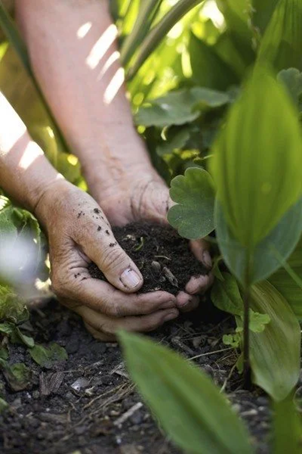
Ensure the soil you select for growing fresh vegetables allows for proper drainage and doesn’t remain soggy, leading to the rotting of roots.
Consider planting your vegetables in raised beds or elevated rows to enhance drainage. Additionally, if the soil contains a high amount of rocks, move some of them to ensure the plant roots can grow properly.
Choose Stable Places
Choose a stable area that receives the required level of wind. Some plants prefer to be sheltered from the wind or other elements. Other plants prefer to not have their roots too wet but still need plenty of water. So pick the best spot for each edible plant in your veggie garden, whether in your raised beds or containers, near a suitable water source and watch your favorite vegetables and plants grow.
Similarly, places with too much foot traffic can easily compromise plant growth. Thus, carefully consider the location and choose somewhere that feels “just right.” Your veggies, herbs and other crops will benefit from being planted in a purpose made veggie garden. Also utilising crop rotation, good organic matter and the right space assists gardeners to increase their harvest. This is where a good garden planner would come in handy.
Nutrient-Rich Soil
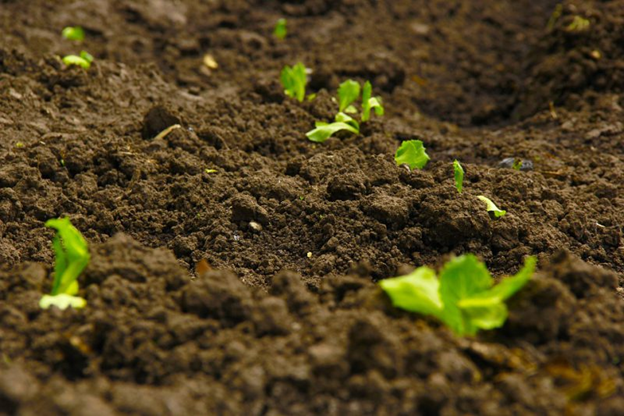
Inferior soil quality will result in inadequate and unhealthy plant growth. By incorporating a significant amount of organic matter, the nutrient content of the soil can be enhanced. You can test this with a soil testing kit. A soil testing kit will test the Ph of the soil to ensure you do not need any more or less of a certain element or mineral. Your soil could be lacking from minerals that are not present in the ground around you veggie garden and will therefore need you to add these elements in the form of good veggies garden fertilizers. If you want to harvest and eat fresh produce you definitely need to start with great soil preparation.
Choosing The Best Vegetables
As a beginner gardener, you may need to learn about a veggie garden. Especially if you want to grow, harvest and eat your own healthy produce.
You can get in touch with experts to learn about the list of young plants that do well in your area and their growing season. However most plants in nurseries or seed packets have information pertaining to the planting, growing, maintaining, pruning and ultimately harvesting your produce.
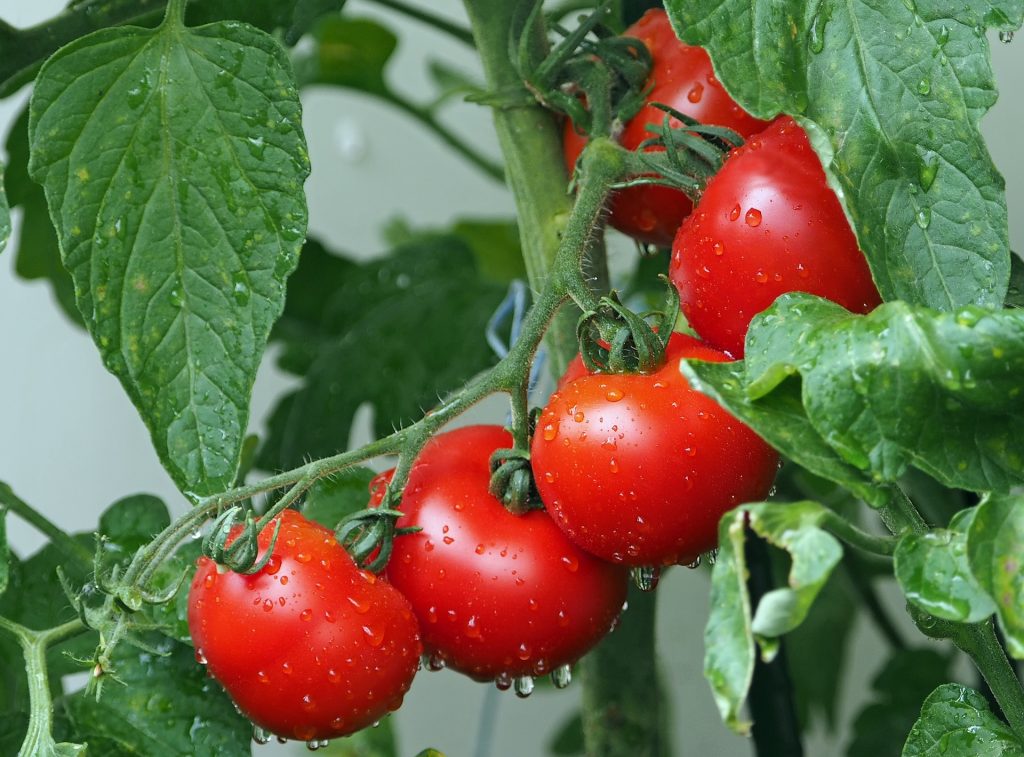
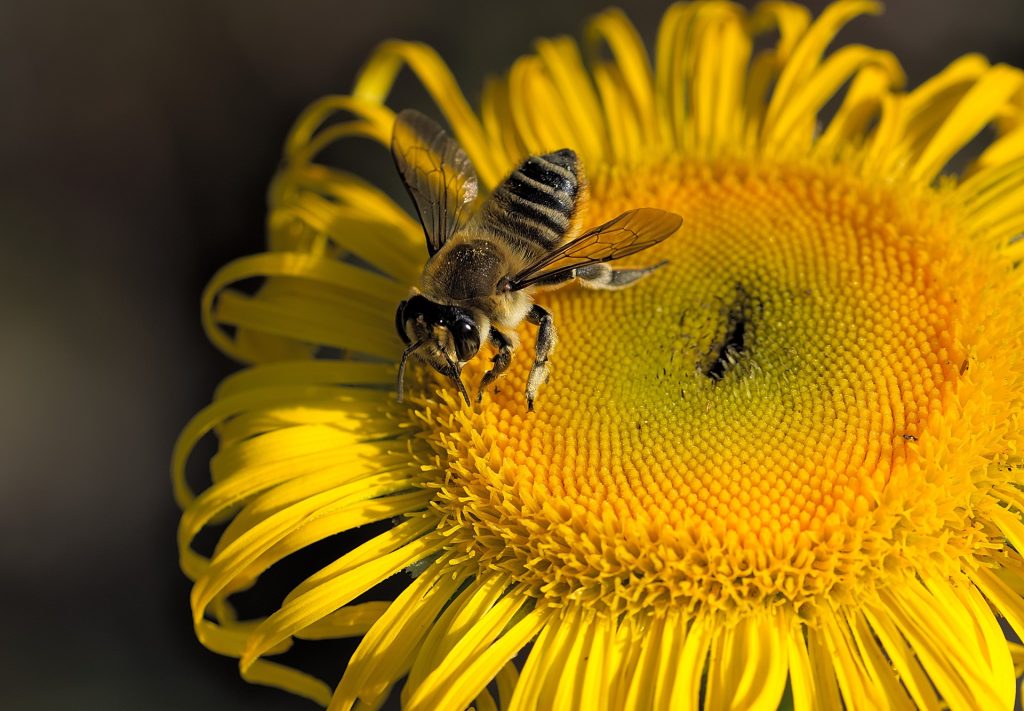
Vegetables like carrots, peas, kale, green beans, lettuce, zucchini, tomatoes, beans, peppers, and radishes can be grown alongside companion planting with marigolds to decrease pests and increase pollinators. pollinators being other insects that assist your plants to thrive. These pollinators can include, Bees, wasps, beetles, birds etc.
Early spring is great for vegetables like lettuce, broccoli, carrots, radish, peas, and greens. Likewise, you can plant tomatoes, eggplant, pepper, and herbs in summer.
Choosing the Plot Size
It’s better to start with a small plot size than to get dissatisfied with a large garden that does not grow well.
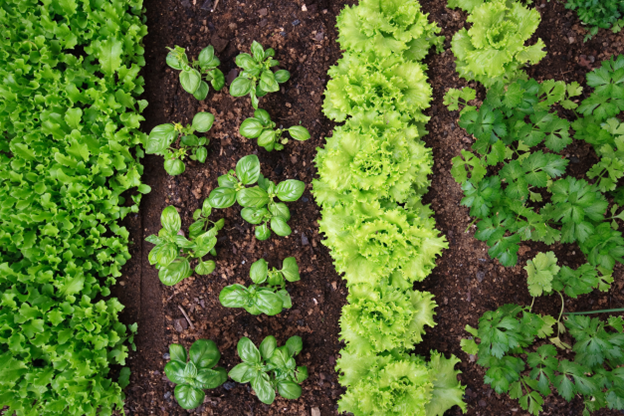
Plan the garden with care if you don’t want it converted into a barren land with no healthy plants. Always start small and only grow what you would like to eat.
The reason you should start smallish is because, even if you have a large parcel of land, by starting small you can ensure that you get the basics down first. Starting with the soil preparation, adding any elements or minerals you need before you plant up. Purchasing the right plants or seeds for the right location and soil type. Adding nutrients, organic matter, testing the soil, the right companion planting etc. The basics, planning your veggie garden, is what will ensure you are a success.
Garden Planning Tool
You must start your veggie garden with the right garden planner tools. The process makes garden planning fun and easy.
You can calculate proper spacing for each crop, stopping you from wasting seeds or overcrowding plants.
A good garden planner can assist you with what to plant and when. What season best suits the plants you wish to grow. Crop rotation, companion planting and planting the right plants to ensure that the right insects inhabit your veggie garden.
Be Ready for Pests and Diseases
Certain problems related to plants need special care. Follow these guidelines to keep your plants safe.
We have written a guide to Veggie Garden Pests and diseases but have also provided a list below. Give the guide a read to ensure you are equipped to combat them so that you are ready if you ever encounter these issues.
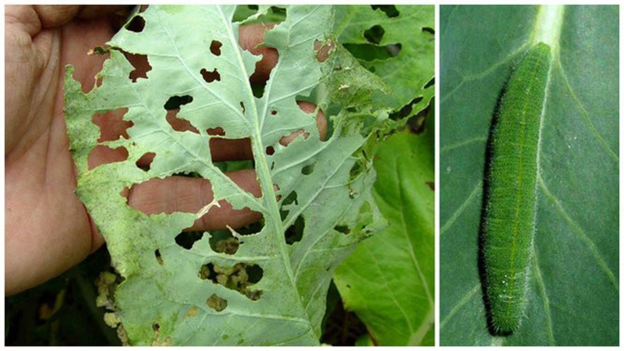
- Aphids
- cabbage maggots
- caterpillars
- cut worms
- colorado potato beetle
- mexican bean beetle
- flea beetle
- tarnished plant bug
- japanese beetle
- scales
- downy mildew
- rust
- leaf spot
- corn smut
- blight
- club root
- blossum end rot
- mosaic virus
- damping off
Stop Weeds in Their Tracks
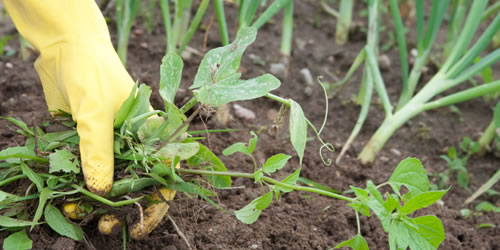
Kill the weeds in the veggie garden because they compete with vegetables for nutrients, water, and light. Add compost or a mulch of clean straw to keep the weeds at bay. Also, you can use a hoe to decrease weed seedlings in your garden.
Watch Out for Animals
Protect your garden by installing an 8-foot tall fence from rabbits and deer that can single-handedly wreck your veggie garden. It should be extended to 6 inches beneath the ground.
Look for Destructive Insects
To keep caterpillars at bay, you can try insecticidal soap sprays, easily available at garden centers. Always follow the manufacturer’s direction while using pest-control chemicals.
Fight Fungal Diseases
Fight fungal diseases by regularly watering the plant soil and not the leaves. Sprinklers are the best when used early in the day, so the leaves get nice and dry till the evening.
Never add sick plants into the composite pile, as it can also affect the health of other plants.
Furthermore, you can consider growing vegetables that are disease-resistant. Regularly change the location of the plants to reduce the chances of disease-causing microbes.
Plan the Vegetable Garden Layout
When planning to grow vegetables, you have two layout options: row cropping and intensive cropping.
Row Cropping
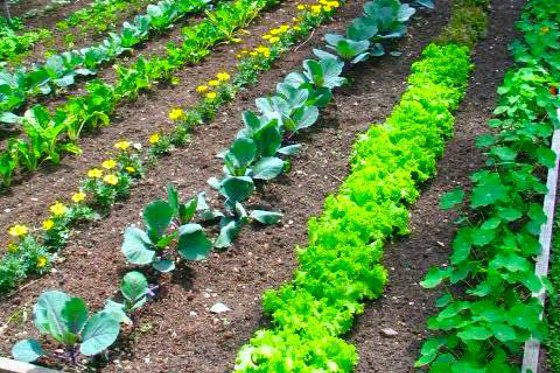
It refers to a system where you plant veggies at least 18 inches apart so you can easily walk between them. But it significantly decreased the number of vegetables you can grow in your garden.
Intensive Cropping
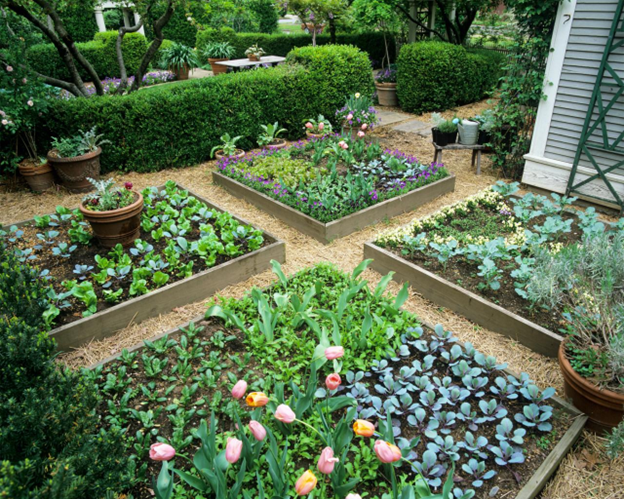
The intensive cropping method involves planting two or three plants closer in a bed, 4 feet wide. The leaves of plants will not touch during maturity, allowing them to grow well.
This approach is best suited for a small garden because it allows you to use every inch of your garden. It works well for all vegetables except cucumbers. Unfortunately, this method requires you to take the weed out by hand because the plants are growing too closely.
Conclusion
Growing a vegetable garden for the first time can be confusing and complicated. But you can follow the tips mentioned in this post to get help. You can get a seed packet or a young plant to start your veggie garden.