Using coffee grounds for gardening can seem like a daunting task.
In fact, when it’s time to nourish your plants and improve soil health, their #1 challenge is…
Coffee grounds for gardening.
Gardeners often have NO idea how to do it. But this is what separates the casual gardener from the sustainable green thumb. If you don’t know how to use coffee grounds effectively in your garden, you’ll never reach this level of eco-friendly cultivation.
Let’s be real folks – making great compost isn’t easy!
Take for instance one urban farmer who recently told me that as soon as he started using coffee grounds in his compost…his plants didn’t respond well at all.
Now he’s hesitant to try again, not to mention worried about whether his dream of an organic city garden will ever become a reality.
No surprise there!
The truth is…
he won’t succeed with coffee grounds for gardening.Table of Contents:
- Composting Coffee Grounds
- Using Coffee Grounds as Fertilizer
- pH Levels of Used Coffee Grounds
- Other Uses for Used Coffee Grounds in Gardens
- Fresh vs. Used Coffee Ground In Gardening
- FAQs in Relation to Coffee Grounds for Gardening
- Conclusion
Composting Coffee Grounds
The incorporation of spent coffee grounds into your compost heap can be a transformative experience for your gardening endeavours. Used coffee grounds, being green compost material, bring an abundance of nitrogen to the table when added to your compost pile.
Steps in Composting Coffee Grounds
To kick things off, you’ll need used coffee grounds. These could either come from your own daily brew or by connecting with local cafes that often have surplus they’re more than happy to part ways with.
Add these spent coffee grounds directly into your existing compost bin or heap and mix them thoroughly with other materials present there already. This isn’t just about dumping it on top but rather ensuring even distribution of nutrients across the pile.
Aiming for balance is key here – between ‘green’ (nitrogen-rich) and ‘brown’ (carbon-rich) materials in your compost heap. The C:N ratio, carbon-to-nitrogen ratio matters; ideally this should be 30:1 – thirty parts carbon (“browns”) for every part nitrogen (“greens”). Too much green can lead down a path filled with unpleasant odors while excess brown may slow down decomposition significantly.
Balancing Green and Brown Compost Materials
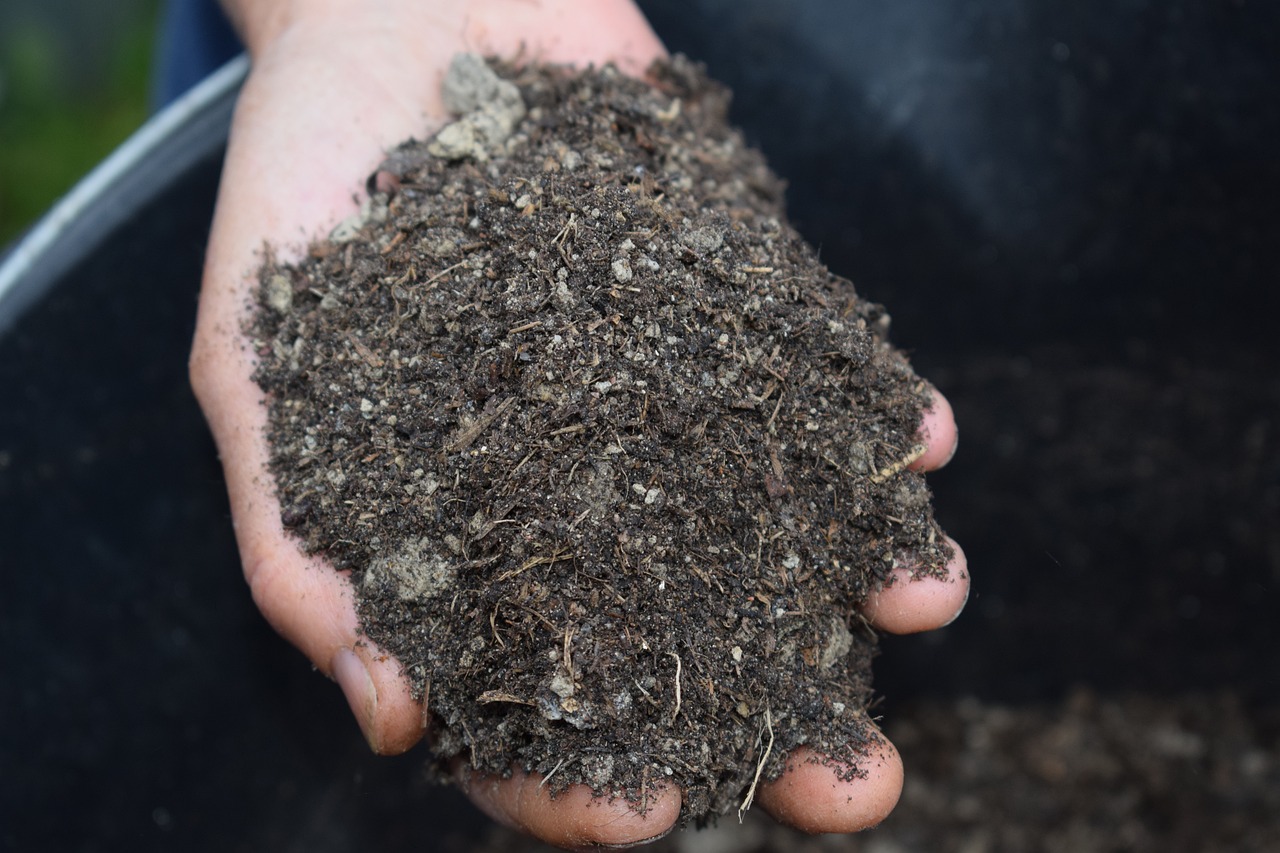 Coffee ground falls under “green” matter due to its high levels of nitrogen, which feeds beneficial bacteria during decomposition, making it faster and more efficient. Penn State Extension provides great tips on achieving this balance.
“Brown” matter includes items like dried leaves, paper bags, among others, providing essential structure allowing air circulation within the pile, aiding aerobic breakdown of organic waste into rich humus, perfect for boosting plant growth productivity in a garden setting, all while reducing the household waste footprint in an environment-friendly manner.
In order to achieve optimal results using spent grounds as a component, ensure there’s enough corresponding counterpart to maintain the necessary successful decomposing cycle, yielding nutrient-dense soil amendment, perfect for boosting plant growth productivity in a garden setting, all while reducing the household waste footprint in an environment-friendly manner.
Transform your garden with composted coffee grounds. They’re a nitrogen-rich ‘green’ addition to your compost pile, accelerating decomposition. Just remember to balance them with ‘brown’, carbon-heavy materials for optimal results and avoid unpleasant odors or slow breakdowns.
Using Coffee Grounds as Fertilizer
The act of applying spent coffee grounds directly to your garden soil is a common practice among many green-thumbed enthusiasts. These used grounds, though not immediate providers of nitrogen – an essential nutrient for plant growth – do have other benefits that can improve the overall health and structure of your soil.
How To Use Coffee Grounds As Fertilizer
For those keen to use coffee grounds as fertilizer, there are several ways to do so; dry spent grounds can be sprinkled and raked into the top layer or mixed thoroughly with potting mix/garden soil. One method involves sprinkling dry spent coffee ground over the surface area before raking them into the top layer. Alternatively, wet leftover diluted coffee works well when mixed thoroughly with potting mix or garden soil using either hands or a trowel.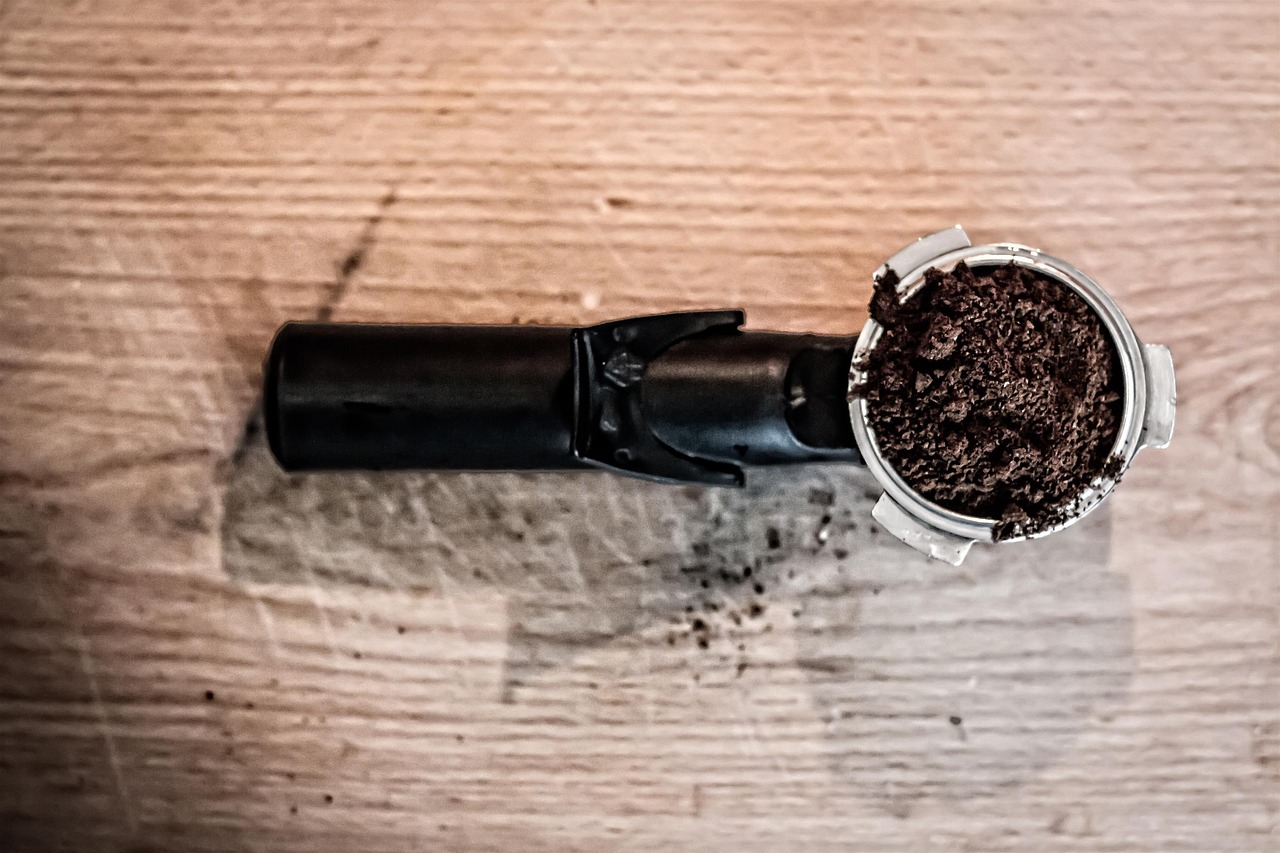
Gardening Know How suggests a general rule-of-thumb: limit application to no more than 25% by volume in any given planting area. This helps prevent potential water retention issues due to excessive use.
Benefits of Organic Material in Soil
Incorporating organic material like composting coffee grounds into our gardens has multiple advantages beyond just fertilization purposes. The first benefit being improved drainage capabilities which prevents excess moisture from pooling around roots – this avoids root rot and promotes healthier plants. Using coffee grounds for gardening has many varied benefits, when not overused.
pH Levels of Used Coffee Grounds
Used coffee grounds and their pH levels have been a topic of much discussion among gardeners. Many believe that they are highly acidic, making them an ideal natural acidifier for plants such as blueberries or azaleas.
In other words, applying spent coffee grounds directly into your compost bin or garden soil won’t drastically alter its overall acidity in most cases.
The Misconception About Acidity Level Of Used Coffee Grounds
This common misconception about used java beans’ impact on soil’s pH balance is widely circulated but not entirely accurate.
Fresh vs Rinsed Coffee Grounds
If you’re still keen to use your leftover diluted joe works with specific plant requirements in mind regarding pH adjustment, there may be another option worth considering: rinsing versus unrinsed (fresh) grinds.
- Rinse those fresh espresso grindings thoroughly with water before using them around your plants. This reduces any remaining residual caffeine content—a substance known for inhibiting plant growth at high concentrations—and further brings down their already low post-brewing acidity towards neutrality even more so.
Maintaining Soil Health With Regular Testing
No matter what amendments you decide to add into your edible gardening practices—including but certainly not limited to spent java beans—it’s always recommended conducting regular testing sessions throughout growing seasons ahead without resorting to guesswork alone. When using coffee grounds for gardening it is wise to apply fresh grounds minimally. Unbrewed coffee grounds may not have the same benefits as spent grounds.
Other Uses for Used Coffee Grounds in Gardens
 The utility of spent coffee grounds extends far beyond composting and fertilizing. They can serve as effective pest deterrents, mulch materials, natural dyes, and even a valuable addition to worm composting. Coffee grounds for gardening can beneficially effect the soil structure by increasing the activity of good bacteria.
Pest Deterrent
One significant advantage that gardeners have found with used coffee grounds is their ability to deter pests. By sprinkling them around susceptible plants, you create an environment that slugs and snails find uninviting due to the rough texture of the granules.
Beyond this physical barrier method though are compounds within coffee itself which repel insects like mosquitoes and fruit flies. This makes your time tending your edible garden more pleasant by keeping these pesky bugs at bay.
Mulching Material
Coffee grounds also make excellent mulch material because they help retain soil moisture while suppressing weed growth. Plus, they contribute towards maintaining stable soil temperatures—a crucial aspect especially during extreme weather conditions.
A word of caution: apply no more than half an inch thick layer—anything thicker could form a water-resistant crust when wetted excessively causing root suffocation due to its compact nature.
Natural Dye Source
If you’re looking for an eco-friendly alternative to synthetic colorants, spent coffee grounds can serve as a natural dye source right from your home garden. Depending on how long you soak the material in them, various shades of brown up to a dark blackish hue can be achieved. This opens up possibilities not just for fabric but also paper crafts projects and even sustainable fashion industry applications.
Addition to Vermiculture Bin (Worm Composting)
If worm composting is part of your self-sufficient lifestyle or if it’s something that interests you, then adding a small amount of used coffee grounds could benefit red wrigglers found in these bins. While too much of anything, including coffee, may be harmful, moderation is key here. It helps maintain a balanced pH level and provides the necessary grit needed to digest organic matter more efficiently, according to the USDA Natural Resources Conservation Service.
Don’t toss those used coffee grounds. They’re a garden’s best friend, offering benefits from pest control to soil enrichment. Sprinkle them around plants as a slug deterrent, use as mulch for moisture retention and weed suppression, or even dye fabrics naturally. Plus, they’re an excellent addition to worm composting bins.
Fresh vs. Used Coffee Ground In Gardening
 When it comes to leveraging coffee grounds for gardening, the choice between fresh and used is a common dilemma faced by gardeners. Both types have unique advantages that can be beneficial depending on your garden’s specific needs.
The Benefits of Fresh Coffee Grounds
Spreading recently-used coffee grounds near acid-loving plants, such as azaleas, rhododendrons, blueberries and evergreens can be advantageous to their growth since it helps keep the soil in a slightly acidic state. Sprinkling fresh coffee grounds around these plant species helps maintain their preferred acidity levels. Gardening Know How delves into this topic further with some practical tips.
Beyond adjusting soil pH levels though, there’s another interesting use case – pest control. The strong smell of fresh ground often deters pests like cats, rabbits or slugs from damaging crops – an organic solution indeed.
The Advantages of Used Coffee Grounds
Moving onto used or spent coffee grounds; they are quite different than their fresher counterparts when applied in gardens. Research indicates that once brewed (or rinsed), most acidity gets removed leaving behind nearly neutral pH level beans.
This neutrality allows you to put coffee grounds across a wider variety of plant species without significantly affecting overall soil acid levels – unlike its fresher counterpart known more for lowering pH values due to its higher caffeine content.
- Apart from being effective mulch material helping retain moisture & suppress weeds;
- Addition over time essential nutrients back into the soils including nitrogen needed during photosynthesis process,
Suggest ways how one could incorporate brown gold aka composting leftover diluted coffees effectively enhancing fertility gradually but surely over time.
FAQs in Relation to Coffee Grounds for Gardening
Which plants do not like coffee grounds?
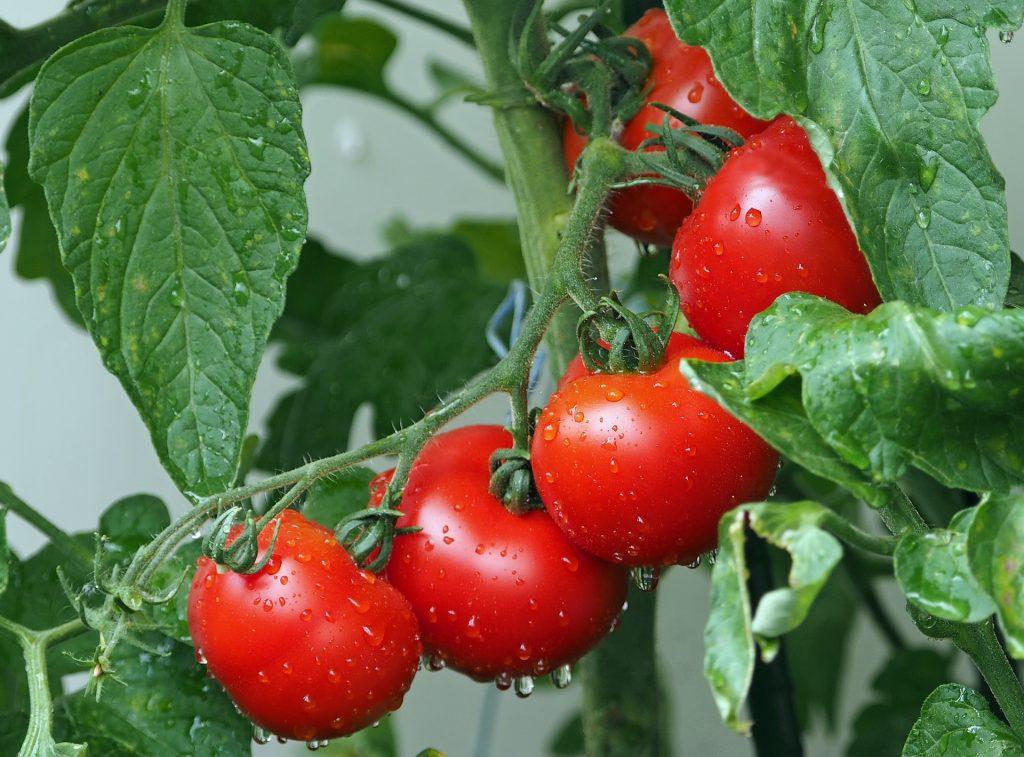
Certain plants such as tomatoes, peppers, and eggplants may not thrive with coffee grounds due to their preference for less acidic soil conditions.
Do coffee grounds deter rats?
Yes, the strong aroma of coffee can act as a deterrent for rodents including rats. However, it’s more effective when used in conjunction with other pest control methods.
What plant benefits most from coffee grounds?
Acid-loving plants like azaleas, hydrangeas, rhododendrons, and roses benefit greatly from the nutrients found in spent coffee grounds.
Do coffee grounds repel mosquitoes?
The smell of burnt or fresh ground-coffee is known to keep mosquitoes at bay. Yet it’s best utilized alongside other repellent strategies for maximum effectiveness.
Conclusion
Composting coffee grounds is a green thumb’s secret weapon. Adding coffee grounds to your compost pile is a simple way of supplying nitrogen and boosting its nutrient levels.
Using these grounds as fertilizer can enhance soil conditions, improving drainage, water retention, and aeration.
The pH levels of used coffee grounds are often misunderstood; they’re near neutral and won’t significantly affect soil acidity.
Apart from fertilizing or composting, there are other ways to utilize spent coffee in your garden too!
Fresh vs used? Both have their place in gardening applications. The choice depends on specific situations and needs.
If you’ve found this exploration into using coffee grounds for gardening enlightening, we invite you to dive deeper with us at Edible Gardening 101. Discover more tips like these that transform everyday kitchen waste into garden gold! Join our community today at EdibleGardening101.com. Let’s grow together!