This is a common question among plant enthusiasts, and the answer is yes!
Can I use cactus soil for a Peace Lily? Peace lilies can use cactus soil, which provides them with the ideal conditions for healthy root development. Peace lilies thrive in light and loose soil that ensures proper drainage, and cactus soil provides just that.
When it comes to the recommended soil components for peace lilies, vermiculite, perlite, leaf humus, sand, minerals, peat moss or coco coir, and clay pebble are all excellent choices. These components create a well-balanced soil mixture that promotes optimal growth. It’s important to note that peace lilies prefer slightly acidic soil with an approximate soil pH of 6.
If you’re unable to find a ready-made soil mix specifically for peace lilies, you can easily create your own. A homemade mix using a standard potting mix, course sand for drainage, and vermiculite for water retention can work wonders for your peace lily. Just remember to ensure proper drainage in the soil to prevent root rot.
Using the wrong soil can lead to various issues, such as lack of flowers, withering stems, decay of the plant, black spots on leaves, and yellowing of leaves with green veins. So, be sure to choose the right soil and provide your peace lily with the ideal growing conditions it deserves!
- Cactus soil is an ideal choice for peace lily’s because of its excellent drainage and aeration properties, promoting healthy root development.
- Peace lilies thrive in light and loose soil that allows for complete drainage.
- Peace lilies need specific soil ingredients like vermiculite, perlite, leaf humus, sand, minerals, peat moss or coco coir, and clay pebble.
- Proper pH levels between 5.8 to 6.5, slightly acidic, are essential for optimal growth of peace lilies.
- Pre-made soil mixes with peat moss, vermiculite, perlite, and coir are convenient. Homemade mixes can be made with potting mix, sharp sand, and vermiculite if needed.
Understanding the Soil Requirements of Peace Lilies
Peace lily’s (Spathiphyllum) are popular indoor houseplants, commonly known for their elegant white flowers and lush green foliage. To ensure their optimal growth and health, it is essential to understand their soil requirements. The right soil and pH level are important for peace lilies to grow healthy roots. Promoting overall well-being requires the right soil mix.
Importance of Soil Composition
The soil composition is a critical factor in determining the success of growing peace lilies. These plants thrive in light and loose, well aerated soil that allows for proper drainage. A well-draining soil ensures that the roots do not sit in water, preventing the risk of root rot.
The recommended soil components for peace lilies include vermiculite, perlite, leaf humus, sand, minerals, peat moss or coco coir, and clay pebbles. These ingredients promote good aeration and moisture retention, creating an ideal balance for the plant’s root system.
Ideal Soil pH for Peace Lilies
In addition to the soil composition, the pH level of the soil is crucial for the healthy growth of peace lilies. These plants prefer slightly acidic soil with a pH range of 5.8 to 6.5. Maintaining the correct pH level ensures that the plant can absorb essential nutrients from the soil.
If you are using ready-made soil mixes for peace lilies, make sure they contain peat moss, vermiculite, perlite, and bulking agents such as coir. These mixes are specifically formulated to provide the ideal pH and texture for peace lilies.
Common Problems with Unsuitable Soil
Using the wrong type of soil for peace lilies can lead to various problems and affect the plant’s overall health. Insufficient watering, temperature changes, shock during repotting, irregular care schedule, inadequate lighting, and extreme cold or heat can all cause stress to the plant. However, one common issue that arises from unsuitable soil is poor drainage.
Without proper drainage, excess water can accumulate around the roots, leading to root rot and other problems. This can result in lack of flowers, withering stems, decay of the plant, black spots on leaves, and yellowing of leaves with green veins. To prevent these issues, it is crucial to ensure that the soil provides adequate drainage for peace lilies.
Can I Use Cactus Soil for Peace Lily?
One common question that arises is whether cactus soil can be used for peace lilies. Yes, cactus soil works for peace lilies as it helps roots grow well with good drainage and air. Cactus soil specifically formulates to promote efficient water drainage, which peace lilies require.
However, it is important to note that cactus soil alone may not provide all the necessary nutrients for peace lilies. It is recommended to mix cactus soil with other components such as peat moss, vermiculite, and perlite to create a well-balanced soil mixture for peace lilies.
In conclusion, understanding the soil requirements of peace lilies is essential for their successful cultivation. By providing a suitable soil composition and maintaining the ideal pH level, you can ensure that your peace lilies thrive and display their beautiful flowers and foliage. Remember to prioritize proper drainage to prevent issues associated with unsuitable soil.
Benefits of Using Cactus Soil for Peace Lilies
Are you wondering if you can use cactus soil for your peace lilies? Well, you’re in the right place! In this section, I’ll discuss the benefits of using cactus soil for peace lilies and why it can be a great choice for these beautiful plants.
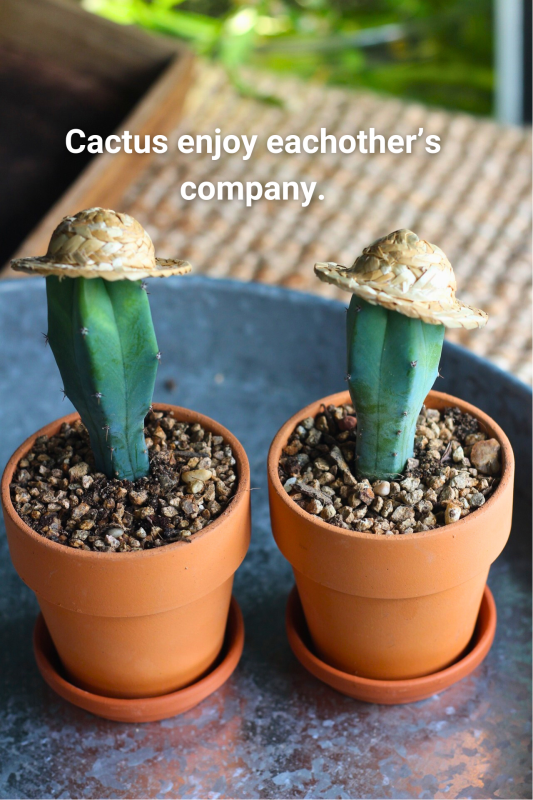
Drainage and Aeration for Healthy Root Development
One of the key reasons why cactus soil is suitable for peace lilies is its excellent drainage and aeration properties. Peace lilies thrive in light and loose soil that ensures proper drainage.
Cactus soil, with its coarse texture and high porosity, allows excess water to flow through easily, preventing waterlogging and the risk of root rot. It also provides ample aeration for the roots, promoting healthy growth and preventing suffocation. By using cactus soil, you can create the ideal environment for your peace lilies to flourish.
Suitable Components in Cactus Soil
The recommended components for cactus soil that are beneficial for peace lilies include vermiculite, perlite, leaf humus, sand, minerals, peat moss or coco coir, and clay pebbles. These components work together to create a well-balanced and well-draining soil mix.
Vermiculite and perlite enhance the soil’s drainage and aeration properties, while leaf humus and peat moss provide organic matter for nutrient retention. Sand and clay pebbles help to loosen the soil and improve its structure, allowing the roots to spread easily. By incorporating these components into your cactus soil mix, you can provide your peace lilies with the optimal growing conditions they need.
Recommended Ready-Made Mixtures
If you prefer the convenience of ready-made soil mixes, there are several options available for peace lilies. Look for mixes that contain peat moss, vermiculite, perlite, and bulking agents such as coir. These commercially available mixtures are specifically formulated to meet the needs of peace lilies, providing the right balance of drainage, aeration, and nutrient retention. Some popular ready-made soil mixes for peace lilies include organic cactus and succulent soil mix and succulent & cactus soil mix.
If you can’t find a suitable ready-made mix, don’t worry! You can easily create your own homemade mix using a standard potting mix, sharp sand for drainage, and vermiculite for water retention. This DIY approach allows you to customize the soil mix according to your peace lilies’ specific requirements.
In a nutshell, using cactus soil for your peace lilies offers several benefits, including excellent drainage and aeration for healthy root development. Whether you opt for a ready-made mix or create your own, providing your peace lilies with the right soil will help them thrive and display their stunning beauty.
But remember, it’s not just about the soil. Proper care and attention are also crucial for the overall well-being of your peace lilies. Keep an eye out for common problems such as insufficient watering, temperature changes, irregular care schedule, and inadequate lighting. By providing your peace lilies with the right soil and addressing these issues, you can enjoy a flourishing and vibrant display of these lovely plants.
Alternatives for Peace Lily Soil
When it comes to growing peace lilies, choosing the right soil is essential for their overall health and well-being. Peace lilies thrive in light and loose soil that allows for proper drainage. One question that frequently arises is whether cactus soil can be used for peace lilies. In this section, we will explore the possibility of using cactus soil for peace lilies and discuss other potting soil options that can be used as alternatives.
Can I Use Cactus Soil for my Peace Lily?
Cactus soil can indeed be used for peace lilies, as it provides the necessary conditions for healthy root development. Cactus soil is known for its excellent drainage and aeration properties, which are crucial for peace lilies. These plants prefer a soil mix that allows water to flow freely through the roots, preventing waterlogging and root rot.
Other Potting Soil Options
While cactus soil is a suitable option for peace lilies, there are other alternatives available as well. The recommended soil components for peace lilies include vermiculite, perlite, leaf humus, sand, minerals, peat moss or coco coir, and clay pebbles. These components help create a light and well-draining soil mix that promotes healthy growth.
Ready-made soil mixes specially formulated for peace lilies can be found in garden centers or online. These mixes usually contain a combination of peat moss, vermiculite, perlite, and bulking agents such as coir. If you’re unable to find a suitable ready-made mix, you can create your own homemade mix using a standard potting mix, sharp sand for drainage, and vermiculite for water retention.
Importance of Fast-Draining Soil
When considering alternatives for peace lily soil, it’s important to prioritize fast-draining soil. Peace lilies are susceptible to root rot if their roots are constantly sitting in waterlogged soil. Fast-draining soil ensures that excess water can easily flow through the pot, preventing water from pooling around the roots.
By using a soil mix that allows for proper drainage, you can help prevent common problems such as insufficient watering, shock during repotting, and decay of the plant. Additionally, fast-draining soil helps maintain the optimal pH level for peace lilies, which is slightly acidic, ranging from 5.8 to 6.5.
Cactus soil can be used for peace lilies due to its excellent drainage and aeration properties. However, it’s important to prioritize fast-draining soil when selecting alternatives for peace lily soil. Other potting soil options, such as ready-made mixes or homemade combinations, can also be used to provide the necessary conditions for optimal growth.
Remember to consider the specific soil components recommended for peace lilies, as well as the importance of maintaining proper pH levels and ensuring adequate drainage. By choosing the right soil for your peace lilies, you can create an environment that promotes healthy and thriving plants.
Creating Your Own Soil Mix for Peace Lilies
If you’re a plant enthusiast like me, you know how important it is to provide the right soil for your beloved green friends. Peace lilies (Spathiphyllum) are no exception, and they thrive in well-draining soil that promotes healthy root development. But can you use cactus soil for peace lilies? Let’s dive into the world of soil mixtures and find out!

Components and Ingredients for Homemade Soil Mix
When it comes to creating your own soil mix for peace lilies, there are several components and ingredients to consider. These include:
- Vermiculite: This mineral is excellent for retaining moisture and improving aeration in the soil. It helps prevent the soil from becoming too compacted and aids in root growth.
- Perlite: Perlite is a lightweight volcanic rock that enhances drainage in the soil. It creates air pockets that allow the roots to breathe and prevents waterlogging, which can lead to root rot.
- Leaf humus: Leaf humus, also known as decomposed leaves, adds organic matter to the soil. It improves its structure, increases nutrient availability, and enhances water retention.
- Sand: Adding sand to the soil mix helps improve drainage and prevents water from pooling around the roots. It also adds some weight to the mixture, providing stability to the plant.
- Minerals: Peace lilies require essential minerals for their growth. You can include mineral components like limestone, dolomite, or rock phosphate in your soil mix to provide these nutrients.
- Peat moss or coco coir: These organic materials help retain moisture in the soil while also improving its structure. They provide a good balance between water retention and drainage.
- Clay pebble: Clay pebbles, also known as expanded clay, are lightweight and provide excellent drainage. They can be added to the soil mix to aid in aeration and prevent waterlogging.
Ensuring Proper Drainage
Proper drainage is crucial for the health of your peace lilies. While cactus soil can provide good drainage, it’s important to ensure that the soil mixture you use allows excess water to flow freely. This prevents the roots from sitting in water, which can lead to root rot and other issues.
To ensure proper drainage, you can add materials like perlite, vermiculite, and sand to your homemade soil mix. These components create air pockets and allow water to pass through easily, preventing waterlogging. Additionally, using a pot with drainage holes and placing a layer of small rocks or pebbles at the bottom can further improve drainage.
Remember, peace lilies prefer slightly acidic soil with a pH range of 5.8 to 6.5. If you’re unable to find a suitable ready-made soil mix, creating your own can be a great alternative. Just make sure to include the recommended components and ingredients mentioned earlier, and you’ll be on your way to providing optimal conditions for your peace lilies to thrive.
In conclusion, while cactus soil can be used for peace lilies due to its good drainage and aeration properties, it’s essential to ensure proper drainage in the soil mix. By incorporating the right components and ingredients, you can create a homemade soil mix that provides the ideal environment for your peace lilies to flourish. So go ahead, get your hands dirty, and give your peace lilies the soil they deserve!
Common Issues Caused by Unsuitable Soil
Choosing the right soil for your plants is crucial for their overall health and growth. Different plants have different soil preferences, and using unsuitable soil can lead to various issues. In this section, we will explore some common issues caused by unsuitable soil, specifically focusing on the impact on flowering and stem health, as well as the decay and discoloration of leaves.
Impact on Flowering and Stem Health
The type of soil used can have a significant impact on the flowering and stem health of plants. When it comes to peace lilies, they thrive in light and loose soil that ensures complete drainage. Using the right soil composition is essential for their root development.
Cactus soil, surprisingly, can be used for peace lilies. Cactus soil provides good drainage and aeration, which are beneficial for healthy root development. Peace lilies prefer soil with a pH of 5.8 to 6.5, slightly acidic in nature. The recommended soil components for peace lilies include vermiculite, perlite, leaf humus, sand, minerals, peat moss or coco coir, and clay pebble.
If you are unable to find a suitable ready-made mix for your peace lilies, you can also create a homemade mix using a standard potting mix, sharp sand for drainage, and vermiculite for water retention. However, it is important to note that peace lilies can also tolerate other types of potting soil, although fast-draining soil is recommended for optimal growth.
Decay and Discoloration of Leaves
Another common issue that can arise from using unsuitable soil is the decay and discoloration of leaves. Peace lilies are known for their beautiful dark green leaves, and any discoloration or decay can be quite alarming.
Peace lilies prefer slightly acidic soil with a pH range of 5-5.5. The recommended soil components for peace lilies include decomposed leaves, dry branches, charcoal, peat, expanded clay, moss sphagnum, mineral components, and sand. Ready-made soil mixtures specifically designed for peace lilies are also available for purchase, such as organic cactus and succulent soil mix and succulent & cactus soil mix.
If you decide to make your own soil mixture for peace lilies, you can use ingredients like decomposed leaf soil, clay turf soil, old greenhouse soil, well-decomposed manure, coarse river sand, zeolite or burnt clay, charcoal, and brick chips. Ensuring proper drainage in the soil is crucial to prevent root rot, which can further lead to leaf decay and discoloration.
Using the wrong soil for your peace lilies can result in a lack of flowers, withering stems, decay of the plant, black spots on leaves, and yellowing of leaves with green veins. Therefore, it is important to pay attention to the soil composition and provide your peace lilies with the suitable soil conditions they require for optimal growth and overall health.
Finding the Right Soil for Optimal Peace Lily Growth
When it comes to growing a healthy and thriving peace lily, one of the most important factors to consider is the type of soil you use. The right soil can make a significant difference in the plant’s growth and overall well-being. In this section, we will explore the different aspects of finding the right soil for optimal peace lily growth, including the pH preferences and the choice between ready-made mixes and homemade mixes.
Understanding pH Preferences
Peace lilies have specific pH preferences when it comes to soil. They thrive in slightly acidic soil with a pH range of 5.8 to 6.5. This slightly acidic environment provides the ideal conditions for the plant’s roots to absorb nutrients effectively. If the soil pH is too high or too low, it can hinder the plant’s ability to take up essential nutrients, leading to stunted growth and nutrient deficiencies.
Ready-Made Mixes vs Homemade Mixes
When it comes to choosing the right soil for your peace lily, you have two options: ready-made mixes or homemade mixes. Both options have their advantages, and the choice ultimately depends on your preferences and availability.
Ready-Made Mixes: Ready-made soil mixes specifically designed for peace lilies are readily available in the market. These mixes are formulated to provide the perfect balance of moisture retention and drainage, which are crucial for the plant’s root health. A good ready-made mix for peace lilies should contain peat moss, vermiculite, perlite, and bulking agents like coir. These mixes are convenient and take the guesswork out of creating the ideal soil composition for your peace lily.
Homemade Mixes: If you prefer a more hands-on approach or have difficulty finding a suitable ready-made mix, you can create your own soil mix for your peace lily. A homemade mix can be made using a standard potting mix as a base, along with additional components for improved drainage and water retention.
You can add sharp sand to enhance drainage and vermiculite to improve water retention. This homemade mix can provide similar benefits to a ready-made mix and allows you to customize the soil composition to suit your peace lily’s specific needs.
Importance of Choosing the Right Soil
The choice of soil is crucial for peace lilies as it directly affects their growth and well-being. Peace lilies prefer light and loose soil that allows for complete drainage. The recommended soil components for peace lilies include vermiculite, perlite, leaf humus, sand, minerals, peat moss or coco coir, and clay pebble. These components help create a well-balanced soil mixture that provides the necessary nutrients and moisture retention for the plants.

It is essential to note that peace lilies grow best in slightly acidic soil with a pH range of 5.8 to 6.5. This acidity level promotes optimal nutrient uptake and overall plant health. Ready-made soil mixes specifically designed for peace lilies are readily available in the market. These mixes usually contain peat moss, vermiculite, perlite, and bulking agents such as coir, which ensure the right balance of drainage and moisture retention.
If you are unable to find a suitable ready-made mix, you can create your own soil mixture. A homemade mix can be made using a standard potting mix, sharp sand for drainage, and vermiculite for water retention. This DIY approach allows you to customize the soil mix according to your peace lilies’ specific needs.
Maintaining Healthy Peace Lilies
To maintain healthy peace lilies, it is essential to provide them with the right growing conditions, including proper soil. However, soil alone is not the only factor that determines the well-being of these plants. Regular care, watering, lighting, and temperature also play crucial roles.
Common problems faced by peace lilies include insufficient watering, temperature changes, shock during repotting, irregular care schedules, inadequate lighting, and extreme cold or heat. It is important to strike a balance in providing sufficient water without overwatering, as this can lead to root rot.
Ensuring the soil has proper drainage is vital to prevent issues such as lack of flowers, withering stems, decay of the plant, black spots on leaves, and yellowing of leaves with green veins. Therefore, regardless of whether you choose cactus soil or other types of potting soil, it is crucial to prioritize fast-draining soil for optimal growth.
In conclusion, choosing the right soil for your peace lilies is of utmost importance to ensure their vitality and overall well-being. By providing them with a suitable soil mixture and maintaining consistent care, you can enjoy the beauty and elegance of these stunning plants in your home or garden.
Conclusion
Finding the right soil for your peace lily is crucial for its growth and overall health. While cactus soil can be used for peace lilies due to its good drainage and aeration properties, it’s important to consider the plant’s pH preferences and other recommended soil components. Ready-made mixes designed specifically for peace lilies or homemade mixes tailored to your peace lily’s needs can both be excellent choices. Whichever option you choose, ensuring proper drainage and a slightly acidic pH will help your peace lily thrive and flourish.