Anxiety and panic attacks are common mental health issues that affect many individuals worldwide. These conditions can significantly impact one’s daily life, making it difficult to complete simple tasks or lead a fulfilling life. While there are different medications available for treating anxiety and panic attacks, they often come with negative side effects and can sometimes be addictive. Fortunately, there are natural remedies for treating anxiety and panic attacks, such as herbs, read on to find out about the use of natural Herbs for the Treatment of Anxiety and Panic Attacks.

Herbs are potent and an excellent alternative treatment for individuals who want to avoid the side effects of traditional medicines. In this blog post, we’ll discuss the top 17 herbs for the treatment of anxiety and panic attacks.
1. Chamomile: Chamomile is a popular herb used in tea to promote relaxation and sleep. It can also alleviate anxiety symptoms due to the flavonoids present in the plant, which work for reducing inflammation and oxidative stress.
2. Passionflower: Passionflower can inhibit the breakdown of the chemical, GABA, which helps to regulate anxiety levels in the brain. This herb is also commonly used to combat insomnia, irritability, and muscle tension.
3. Lemon Balm: Lemon balm is another herb that helps to boost GABA levels, regulating the brain’s anxiety levels. It contains eugenol, a compound that relieves stress, discomfort, and insomnia.

4. Lavender: Lavender’s fragrance is known to calm down the mind and soothe the body from anxiety and panic. It also helps in reducing blood pressure, heart rate, and stress levels.
5. Valerian Root: Valerian root works similarly to benzodiazepine drugs and is an excellent treatment for anxiety, depression, and sleep disorders.
6. Ashwagandha: Ashwagandha is an Indian herb that is known for its benefits in managing stress levels, anxiety, depression and balancing hormones. It is also an anti-inflammatory agent while providing relaxation and a calming effect. This is my favourite as it has help reduce my blood pressure without prescription drugs.
7. Kava Root: Kava has been used for centuries in traditional medicine to combat anxiety, sleep disorders, and restlessness. It allows the brain to manage and reduce anxiety and panic while promoting relaxation.
8. Rhodiola: Rhodiola is an adaptogen that helps the body adjust to extreme stress levels. It has been shown to stimulate neurotransmitters like serotonin and limit cortisol secretion to help combat anxiety effectively.
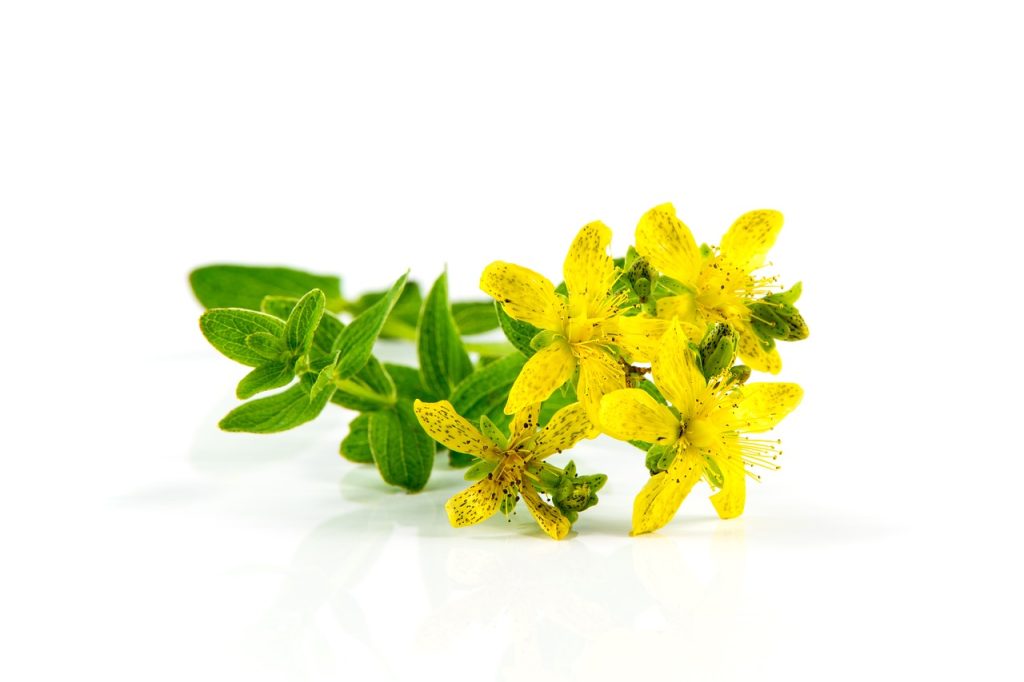
9. St. John’s Wort: This herb regulates the mood effectively and increases GABA activity, which helps with anxiety. The herb promotes relaxation and reduces symptoms of anxiety and depression simultaneously.
10. Holy Basil: Holy Basil balances cortisol levels, helping control the stress hormone’s effects and reduce anxiety levels and inflammation.
11. Skullcap: Skullcap is an herb that regulates GABA to inhibited hyperactivity and resistance to anxiety levels. It also produces sedation and relaxation for calming down individuals who experience anxiety and stress.
12. Ginseng: Ginseng is a popular herb in traditional medicine, providing energy levels while managing stress, anxiety, and depression levels as a whole.
13. Catnip: Catnip has a sedative effect that allows the body to relax and calm down, leading to reduced anxiety and stress levels.
14. Green Tea: Green tea can help, thanks to the amino acid known as L-theanine. It helps boost levels of neurotransmitters like GABA and serotonin to reduce anxiety levels.
15. Gotu Kola: It is an adaptogenic herb that helps manage stress and anxiety levels, leading to a relaxed state of mind.
16. Passionflower: Passionflower naturally helps improve sleep and ease physical body tension that leads to relaxed and calm nerves and a reduction in stress and anxiety.
17. Hops: Though the same plant used for brewing beer, hops have helpful effects of sedation and relaxation, leading to reduced anxiety and stress symptoms.
Finding these herbal remedies is no longer a daunting task, thanks to the advent of online stores and local markets. Health food stores, dedicated herbal shops, and farmer’s markets are excellent places to find fresh or dried herbs. Online platforms such as Amazon, iHerb, and Vitacost offer a vast range of these herbal remedies, often at competitive prices. Moreover, they provide detailed product descriptions and customer reviews, aiding in making informed decisions. However, it’s recommended to buy these herbs from trusted and verified sources to ensure quality and safety. Always consult a healthcare professional before beginning any herbal treatment regime to ensure its suitability for your individual health situation. With these 17 natural herbs, you can take a step towards managing your anxiety and panic attacks and leading a healthier, happier life. So why not give them a try? Your mind and body will thank you for it.
Preparation Methods for Anxiety-Reducing Herbs
1. Chamomile: Best consumed as a tea. Steep dried chamomile flowers in hot water for about 5-10 minutes before drinking.
2. Passionflower: Can be made into a tea by steeping dried passionflower in boiling water. It’s also available as a liquid extract or in capsule form.
3. Lemon Balm: Often used in teas or as an essential oil. Can also be added fresh to salads or other dishes.
4. Lavender: Inhalation of lavender essential oil can help reduce anxiety. It’s also available in capsule form or can be used in teas.
5. Valerian Root: Usually taken as a capsule or tincture, but can also be made into a tea.
6. Ashwagandha: Commonly consumed as a powder mixed into water or milk, or as a tablet or capsule.
7. Kava Root: Typically consumed as a drink, brewed using dried kava root.
8. Rhodiola: Typically taken in capsule or tablet form, but can also be made into a tea.
9. St. John’s Wort: Often taken as a tablet, capsule, or liquid extract. Can be consumed as a tea as well.
10. Holy Basil: Can be consumed as a tea, used in cooking, or taken as a capsule or essential oil.
11. Skullcap: Typically consumed as a tea, tincture, or in capsule form.
12. Ginseng: Can be consumed fresh, as a tea, in capsule form, or as a liquid extract.

13. Catnip: Often brewed into a tea, or can be taken as a tincture or encapsulated dry leaf.
14. Green Tea: Simply brewed as a tea and consumed hot or cold.
15. Gotu Kola: Consumed as a tea, tincture, or in capsule form.
16. Passionflower: As earlier mentioned, it can be made into a tea, taken as a liquid extract, or in capsule form.
17. Hops: Typically consumed as a tea or in capsule form, but can also be used as an essential oil for aromatherapy.
Long-term stress and anxiety have a profound impact on the human body, affecting it both physically and mentally. Chronic stress triggers the body’s “fight or flight” response, causing a surge in hormones such as adrenaline and cortisol. Over time, these elevated hormone levels can lead to health issues such as hypertension, heart disease, and stroke. In addition, stress and anxiety can disrupt sleep patterns, leading to fatigue and negatively impacting cognitive function, mood, and overall quality of life. Mental health can also be severely affected, potentially leading to conditions like depression, panic disorder, and various anxiety disorders. Moreover, chronic stress can weaken the immune system, making the body more susceptible to infections and diseases. It can also cause digestive problems, including gastritis, ulcers, and irritable bowel syndrome. Therefore, managing stress and anxiety is essential for maintaining overall well-being.
Modern medicine has over prescribed, misdiagnosed and quite frankly created more problems than it has solved with its prescription medications, clinical trials, and denigration of herbal medicines and natural remedies. Pay particular attention to the side effects:
The most commonly prescribed medications for anxiety disorders are often divided into three categories: antidepressants, benzodiazepines, and beta blockers.
Antidepressants: Selective serotonin reuptake inhibitors (SSRIs) such as Prozac and Zoloft, and serotonin and norepinephrine reuptake inhibitors (SNRIs) like Effexor and Cymbalta, are often prescribed. SSRIs and SNRIs can cause side effects like insomnia, rashes, headaches, joint and muscle pain, stomach upset, nausea, or diarrhea. These medications can also cause sexual problems. Common tricyclics include Tofranil and Anafranil. Side effects can include dizziness, drowsiness, dry mouth, and weight gain.
Benzodiazepines: These medications are often used for short-term relief of acute symptoms. Benzodiazepines such as Xanax and Ativan, may cause drowsiness, dizziness, stomach upset, blurred vision, headache, confusion, tiredness/fatigue, nightmares, and memory problems. More serious side effects can occur if the medication is abruptly stopped.
Beta Blockers: Often used to treat heart conditions, these medications can also help control the physical symptoms of anxiety. Beta blockers like Tenormin and Inderal may cause fatigue, cold hands, headaches, and an upset stomach.
Remember to consult with a healthcare provider for personalized medical advice, regardless of whether that be natural such as herbal medicine, herbal supplements, dietary supplements or your doctor. Always ask about the potential side effects and risks of any prescribed medication.
In todays culture it is difficult to just hide away from stressful situations and to make lifestyle changes in the United States. Herbal remedies vs anti-anxiety medication, relaxation techniques vs drug administration, alternative medicine, in recent studies, has shown to produce a significant reduction in the heightened stress response that anxiety sufferers experience showing significant improvements in anxiety relief. The potential benefits are fewer side effects, increased treatment options and advancements in the treatment of mental disorders.
Conclusion:
Overall, herbs are a natural way to help individuals manage anxiety and panic attacks. While there is no single herb that can entirely cure these conditions, the regular and consistent use of herbs can significantly reduce symptoms and help individuals lead more fulfilling lives. It’s essential to consult with a physician before starting any treatment, including herbal remedies, and keep in mind that the benefits of these herbs are cumulative and require regular and consistent use to take effect. So, if you’re considering trying natural remedies for anxiety and panic attacks, these 17 herbs are a great place to start. Give them a chance, and see how they can positively impact your mental health. Remember to always prioritize self-care and seek professional help if needed. Please check out our other guides to assist maintaining a healthy existence.. Here’s to a healthier mind and body! #TakeCareOfYourMindAndBody #Natural