Growing Hydroponic Lettuce at Home: A Guide to Fresh Greens
Growing hydroponic lettuce, grown in water with nutrient solutions, is a trending technique for home and commercial growers alike. This soilless method offers numerous benefits, including high yields, faster growth, and year-round harvests.
Best Hydroponic Systems for Home Growing
Before we dive into the 10 best tips for growing lettuce using Hydroponic techniques we need to briefly describe building and maintaining Hydroponic systems and which are the best Hydro grow systems out there. For home growers, the Kratky method is simple and effective, requiring no electricity, water pump, or air pump. Deep Water Culture and Nutrient Film Technique are suitable for large-scale commercial hydroponic lettuce production. Ebb and Flow system involves flooding and draining the root zone, promoting plant growth.

Build and Maintain a Hydroponics System:
To construct a hydroponic system, choose a type like DWC systems, NFT, Ebb and Flow, or Kratky method. Gather materials: a container for the nutrient solution, growing trays or net pots for plants, an air pump (for some systems), and hydroponic nutrient solution. Set up the system based on the chosen type.
For maintenance:
1. Check nutrient solution pH and EC regularly and adjust to the desired range (pH 5.5-6.5).
2. Ensure proper water levels and aeration for oxygen supply to roots.
3. Provide appropriate lighting with LED grow lights or sunlight.
4. Prune plants, harvest mature leaves/fruits, and encourage continuous growth.
5. Monitor for pests/diseases and use IPM techniques if needed.

6. Use clean, chlorine-free water in the system.
These points and more should be considered such as air temperature, growing media, production space, best grow lights, how much light needed, and ph levels.
Check out our guide to building and maintaining a hydroponic system.
By following these steps, you can build and maintain a successful hydroponic system, enjoying year-round fresh, homegrown produce.
Varieties of Lettuce to Grow
Choose loose head varieties for hydroponic lettuce. These types of lettuce allow you to pick individual leaves, which regrow for extended harvests. Butterhead lettuce, with its rose-like or cup-like heads, provides a sweet and mild flavour. Romaine lettuce is perfect for Caesar salads, offering a crispy texture and robust taste. Loose-leaf lettuce, with its delicate and mild taste, comes in various varieties. Some varieties allow you to pick loose leaves and others you will need to harvest the entire plant. Read below for the most popular hydroponic crops and to master the basics of hydroponic gardening.
Below are 7 of the best of these leafy greens:
When it comes to growing lettuce hydroponically, you have a wide range of varieties to choose from. While almost any lettuce variety can be cultivated using hydroponic techniques, some are particularly well-suited for this soilless growing method. Here are the top lettuce varieties to consider for your hydroponic garden:
1. Butterhead Lettuce:
Butterhead lettuce is one of the most commonly grown and is an excellent choice as one of the preferred hydroponic lettuce varieties. It offers a tender texture, a sweet flavor, and a delightful, buttery taste. Butterhead lettuce typically comes in two main subtypes: Boston lettuce, which forms a loose, rose-like head, and Bibb lettuce, which has a smaller, cup-like head. Both subtypes are excellent choices for hydroponic cultivation due to their appealing taste and ease of harvesting.
2. Romaine Lettuce:
Romaine lettuce, also known as cos lettuce, is another popular choice for hydroponic growing. It features elongated leaves with a crisp texture and a slightly stronger taste compared to butterhead lettuce. Romaine lettuce is widely used in Caesar salads and other dishes, making it a versatile addition to your hydroponic garden.

3. Loose Leaf Lettuce:
Loose-leaf lettuce encompasses several varieties, all of which are well-suited for hydroponic cultivation. As the name suggests, loose-leaf lettuce does not form tight heads like other lettuce types. Instead, its leaves are loosely connected to the stem, allowing for easy individual harvesting. The delicate and mild taste of loose-leaf lettuce varieties makes them a favorite among salad lovers.
4. Red Leaf Lettuce:
Red leaf lettuce is a visually striking variety with beautiful, reddish-purple leaves. Besides adding a vibrant splash of color to your hydroponic garden, red leaf lettuce offers a mild and slightly nutty flavor. Consider using supplementary lighting to enhance the coloration of red leaf varieties, making them even more visually appealing.
5. Green Leaf Lettuce:
Green leaf lettuce is a classic and versatile choice for hydroponic growers. With its mild taste and slightly peppery undertones, green leaf lettuce complements a wide range of dishes. Its attractive, ruffled leaves add an elegant touch to salads and other culinary creations.
6. Oak Leaf Lettuce:
Oak leaf lettuce gets its name from the shape of its leaves, which resemble oak tree leaves. This variety comes in both green and red variants and offers a tender, buttery texture with a mild flavor. Oak leaf lettuce is a perfect choice for continuous harvesting, as picking individual leaves encourages regrowth and extends the harvest season.
7. Crisphead Lettuce (Iceberg Lettuce):
While crisphead lettuce, commonly known as iceberg lettuce, can be grown hydroponically, it requires specific conditions for successful cultivation. Crisphead lettuce forms tightly packed heads and offers a satisfying crunch and mild flavor. However, it may take longer to grow and requires cooler temperatures to prevent bitterness and premature flowering.
Incorporating a mix of these delightful lettuce varieties in your hydroponic garden will not only provide an array of flavours and textures but also add visual appeal to your home-grown salads and meals. Experiment with different varieties to find the ones that suit your taste preferences and growing conditions best. Happy hydroponic lettuce gardening!
Best Conditions for Hydroponic Lettuce
Lettuce prefers cooler temperatures to prevent bitterness. Day temperatures should be between 68-75°F, with slightly lower night temperatures. Lettuce requires 10-14 hours of moderate to low light, avoiding full sunlight to prevent bitterness.
Choosing the Right Nutrients
Use a hydroponic nutrient mix specifically designed for lettuce to ensure optimal growth. Ensure sufficient calcium to prevent tip burn, high nitrogen, and phosphorous, but not potassium. A well-aerated nutrient mix promotes healthy growth.
Hydroponic Grow Medium
Lettuce roots grow directly in water, requiring a suitable germination medium. Stone wool and phenolic foam are common choices for starting lettuce seedlings.
Best Hydroponic Systems for Home Growing
For home growers, the Kratky method is simple and effective, requiring no electricity, water pump, or air pump. Deep Water Culture and Nutrient Film Technique are suitable for large-scale commercial hydroponic lettuce production. Ebb and Flow system involves flooding and draining the root zone, promoting plant growth.
So here are the top 10 Tips for growing Hydroponic lettuce
Top 10 Tips for Successful Hydroponic Lettuce Growth:
1. Choose the Right Variety:
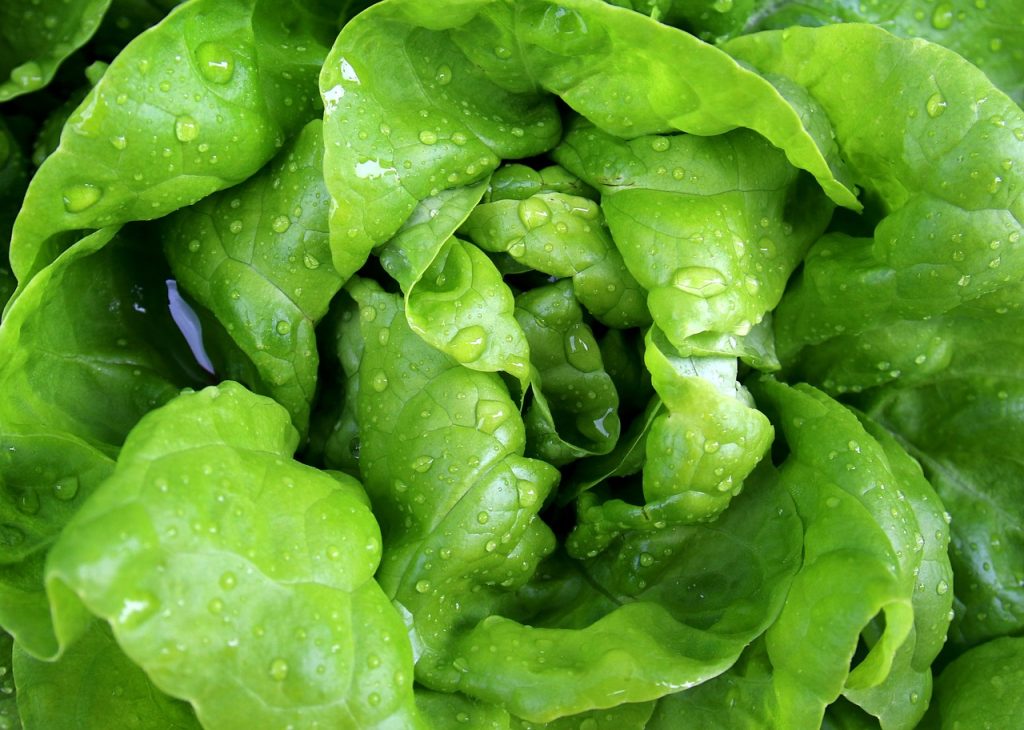
Select the best lettuce variety for hydroponic growth. Loose-leaf varieties like butterhead and loose-leaf lettuce are preferred as you can harvest leaves individually, extending the harvest period. Consider the taste, texture, and growth characteristics when making your choice.
2. Provide Optimal Temperature:
Maintain cooler temperatures for successful hydroponic lettuce growth. Lettuce prefers day temperatures between 68-75°F and slightly lower night temperatures, around 60-65°F. Avoid high temperatures, as they can lead to premature flowering and bitter-tasting leaves.
3. Opt for Quality Nutrients:
Use a hydroponic nutrient mix specifically formulated for lettuce. This ensures a balanced combination of essential nutrients for healthy growth. Pay attention to the N-P-K ratio, and ensure sufficient calcium to prevent tip burn.
4. Ensure Proper Lighting:
Lettuce does not require excessive light. Provide 10-14 hours of moderate to low light to promote growth. Avoid direct sunlight, which can cause leaves to become bitter. Consider supplementary lighting for red leaf varieties that may need specific light quality for optimal coloration.
5. Choose the Right Hydroponic System:
Select the appropriate hydroponic system for your needs and space. For home growers, the Kratky method is a simple and cost-effective option. Deep Water Culture and Nutrient Film Technique are suitable for larger-scale commercial production.
6. Pay Attention to pH Levels:
Monitor and adjust the pH of the nutrient solution regularly. Lettuce prefers a slightly acidic pH between 5.5 and 6.5. Proper pH levels ensure optimal nutrient absorption and prevent nutrient deficiencies.
7. Maintain Adequate Air Circulation:
Ensure sufficient air circulation around your hydroponic lettuce plants. Proper ventilation prevents mold or mildew issues and enhances transpiration, promoting healthy plant growth.
8. Check Water Quality:
Use clean, chlorine-free water for your hydroponic system. Avoid water with high mineral content, as it can lead to nutrient imbalances and affect plant health.
9. Prune and Harvest Regularly:
Regularly prune outer leaves and harvest mature leaves to encourage new growth. This helps maintain plant vigor and extends the harvest season. Use sharp scissors to avoid damaging the plant.
10. Monitor for Pests and Diseases:
Keep a close eye on your hydroponic lettuce for any signs of pests or diseases. Early detection allows for timely intervention and prevents further damage to your plants. Consider natural pest control methods to maintain a healthy growing environment.
Watch out for these top 6 pests and diseases:
In hydroponic lettuce cultivation, certain pests and diseases can pose challenges to successful growth. Here are some common pests and diseases to watch out for in hydroponic systems and effective strategies to combat them:
1. Aphids:
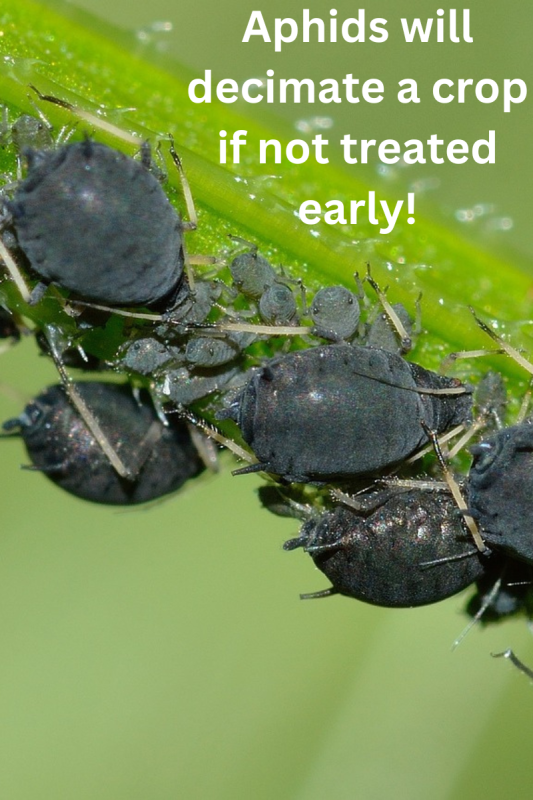
Aphids can infest hydroponic lettuce by feeding on the plant sap, leading to wilting, yellowing, and stunted growth. Regularly inspect the plants and use insecticidal soap or neem oil spray to suffocate and deter aphids. Introducing natural predators like ladybugs or lacewings can help control aphid populations in hydroponic setups.
2. Whiteflies:
Whiteflies can be problematic in hydroponic systems, causing yellowing, wilting, and transmitting plant viruses. Use yellow sticky traps to monitor and capture adult whiteflies. Introduce parasitic wasps or predatory insects to control whitefly populations in the hydroponic environment. Neem oil or insecticidal soap sprays can also be effective.
3. Leafminers:
Leafminers can tunnel into hydroponic lettuce leaves, leading to damaged foliage. Remove affected leaves promptly to control leafminer populations. Apply neem oil or spinosad-based insecticides when needed to manage leafminers in hydroponic setups.
4. Pythium and Root Rot:
Pythium and other root rot diseases can thrive in hydroponic systems with overly wet conditions. Ensure a well-draining hydroponic medium and maintain proper watering practices to prevent root rot. Consider using beneficial microbes or fungicides to control root rot if it occurs.
5. Downy Mildew and Powdery Mildew:
Downy mildew and powdery mildew can affect hydroponic lettuce leaves, leading to yellowish or white patches and a powdery coating, respectively. Improve air circulation and avoid overhead watering to reduce humidity and prevent these fungal diseases. Apply sulfur-based or copper-based fungicides when necessary to control mildew in hydroponic systems.
6. Bacterial Leaf Spot:
Bacterial leaf spot can manifest as dark, water-soaked lesions on hydroponic lettuce leaves. Remove infected leaves and avoid overhead watering to prevent the spread of the bacteria. Copper-based fungicides can be used as a preventive measure or to control bacterial leaf spot in hydroponics.
Monitor and treat for Pests and Diseases that are affecting your Hydroponic crop
To ensure a healthy and thriving hydroponic lettuce crop, regularly monitor the plants for signs of pests or diseases. It is always better to look for safe natural chemical alternatives. Employ integrated pest management (IPM) practices specifically tailored to hydroponic environments, such as introducing beneficial insects and using hydroponic-safe treatments. Swift action and preventive measures will contribute to the overall success of your hydroponic lettuce cultivation. Check out our guide on how to identify and combat common pests and diseases in your garden. Sometimes prevention is better than the cure.
By following these top 10 tips for growing hydroponic lettuce, you can ensure successful hydroponic lettuce growth and enjoy a continuous supply of fresh, nutritious greens throughout the year. Happy hydroponic gardening!
Growing lettuce Hydroponically vs in the Ground
It is always a good idea to understand the differences between different grow methods to ensure you choose the right method. Growing lettuce in the ground and growing it hydroponically are two distinct cultivation methods, each with advantages and challenges. Here are the key differences between the two approaches:
1. Growing Medium:
In traditional ground-based cultivation, lettuce grows in soil. The soil provides essential nutrients, water retention, and physical support for the plants. On the other hand, hydroponic lettuce is grown in a soilless medium. Nutrient-rich water solutions directly feed the plants’ roots, and a medium like rockwool, perlite, or coconut coir offers physical support.
2. Nutrient Delivery:
In the ground, lettuce roots extract nutrients from the soil. The availability of nutrients can vary depending on soil quality and composition. In hydroponics, growers precisely control the nutrient delivery through the nutrient solution. This ensures that plants receive a balanced mix of essential nutrients for optimal growth.
3. Water Usage:

Traditional ground-based lettuce cultivation relies on natural rainfall and irrigation for water supply. This method can be water-intensive, and water usage can be difficult to control. In hydroponics, water usage is highly efficient. The closed-loop systems recirculate water, reducing overall consumption and making hydroponics a more sustainable option.
4. Growth Rate:
Hydroponic lettuce often exhibits faster growth compared to soil-grown lettuce. The controlled environment, optimal nutrient supply, and absence of soil-borne diseases contribute to accelerated growth in hydroponics. This allows for more frequent harvests and higher yields.
5. Space Requirements:
Growing lettuce in the ground requires a relatively large garden space or plot, making it more suitable for traditional outdoor gardening. Hydroponics, on the other hand, offers flexibility, making it viable for urban gardening, vertical farming, and indoor cultivation with limited space.
6. Pest and Disease Management:
In ground-based gardening, pests and diseases can affect lettuce plants through soil contact. This may necessitate the use of pesticides and herbicides. In hydroponics, the absence of soil minimizes the risk of soil-borne diseases and pests. As a result, hydroponic lettuce can be grown with fewer or no pesticides, leading to cleaner and healthier produce.
7. Environmental Impact:
Hydroponic systems can be designed to minimize environmental impact. The reduced water usage, controlled nutrient delivery, and the ability to grow crops closer to urban centers help decrease transportation emissions and food waste.
8. Year-Round Cultivation:
Ground-based lettuce cultivation may be limited to specific growing seasons, depending on the climate. Hydroponics allows year-round lettuce cultivation, enabling growers to enjoy fresh, homegrown greens regardless of the external weather conditions.
Both ground-based and hydroponic lettuce cultivation have their merits and can be successful depending on the grower’s goals, available space, and environmental considerations. Each method offers unique benefits, and the choice between the two depends on factors such as resource availability, space constraints, and the grower’s preferences for sustainability and efficiency.
FAQs – Growing Hydroponic Lettuce
1. How long does it take for lettuce to grow in hydroponics?

Lettuce is one of the fastest-growing plants in hydroponics. Depending on the variety and growing conditions, you can expect to harvest your hydroponic lettuce in approximately 6 to 8 weeks after planting. This quick turnaround makes it an ideal choice for home growers seeking fresh greens year-round.
2. Can I grow any variety of lettuce hydroponically?
Yes, you can grow almost any variety of lettuce using hydroponic techniques. However, loose-leaf varieties like butterhead and loose-leaf lettuce are particularly well-suited for hydroponic systems. Their ability to be harvested leaf by leaf, allowing regrowth and extended harvest periods, makes them popular choices among hydroponic growers.
3. Do I need a greenhouse to grow hydroponic lettuce?
While a greenhouse can provide some advantages, it’s not a requirement for growing hydroponic lettuce. Lettuce prefers cooler temperatures, and many home growers successfully cultivate it indoors or on balconies with controlled environments. Adequate lighting, proper temperature, and nutrient solutions are key factors for successful indoor hydroponic lettuce growth.
4. How often should I change the nutrient solution?
In most cases, you don’t need to change the nutrient solution during the growing season. Lettuce has relatively simple nutrient requirements, and a well-balanced solution can sustain the plants throughout their growth cycle. However, it’s essential to monitor nutrient levels and pH regularly and top up the solution as needed to maintain optimal conditions.
5. Can I use tap water for my hydroponic lettuce?
Using tap water for hydroponic lettuce is generally fine, but it’s essential to consider its quality. Chlorine and other chemicals in tap water can harm beneficial microbes in the hydroponic system. Letting the water sit for 24 hours before using it allows the chlorine to dissipate. If you’re concerned about water quality, consider using filtered or dechlorinated water.
6. Can I reuse the growing medium for lettuce?
It’s possible to reuse certain types of growing mediums, such as rockwool or phenolic foam, after proper sterilization. However, some growers prefer to use new, sterile mediums for each planting to reduce the risk of diseases and pathogens. If you choose to reuse your growing medium, thoroughly clean and sterilize it between crops.
7. Can I use hydroponic nutrients for other plants?
Hydroponic nutrient mixes are formulated to provide a balanced combination of essential nutrients specifically tailored for different plant types. While some nutrients may be suitable for multiple plants, it’s best to use nutrient solutions designed specifically for the type of plants you are growing. Different plants have varying nutrient requirements, and using the right mix ensures optimal growth and productivity.
8. How can I prevent algae growth in my hydroponic system?
Algae growth in a hydroponic system is a common concern. To prevent algae, keep the nutrient solution in a dark container or reservoir to limit light exposure. Additionally, using opaque or light-blocking materials for the hydroponic system can help prevent algae growth. Regularly cleaning and maintaining the system will also reduce the risk of algae buildup.
With these frequently asked questions answered, you’re ready to embark on your hydroponic lettuce journey. Enjoy the satisfaction of growing your own fresh and nutritious greens using this innovative and sustainable growing method. Happy hydroponic gardening!
Conclusion
In conclusion, hydroponic lettuce emerges as a sustainable and innovative solution for home and commercial growers seeking fresh and nutritious greens year-round. With its soilless cultivation method, hydroponics offers numerous advantages, including higher yields, faster growth, and water efficiency. By selecting the right lettuce variety, providing optimal temperature, and using quality hydroponic nutrients, growers can ensure successful lettuce cultivation.
Proper lighting, air circulation, and choosing the appropriate hydroponic system are crucial factors for a thriving lettuce crop. Regular pruning, harvesting, and pest monitoring contribute to the overall health of the plants, leading to prolonged harvest seasons. Whether you’re new to hydroponics or an experienced grower, these top 10 tips offer valuable insights for successful hydroponic lettuce growth.
Growing hydroponic lettuce at home is a rewarding journey that reduces environmental impact while offering a continuous supply of fresh, pesticide-free greens. Embrace the future of sustainable agriculture and enjoy the bountiful harvests of nutrient-rich lettuce with hydroponics. Happy gardening!