Title: Battling Common Pests and Diseases in Your Vegetable Garden: A Comprehensive Guide
Introduction:
Maintaining a thriving vegetable garden can be a rewarding experience, but it’s not without its challenges. Dealing with common pests and diseases is an inevitable part of gardening. However, armed with knowledge and proactive measures, you can effectively combat these issues and protect your precious crops. In this comprehensive guide, we will explore the most prevalent pests and diseases that gardeners encounter and provide practical strategies to keep your vegetable garden healthy and thriving.
- Aphids:
Aphids, those tiny, sap-sucking insects, can quickly multiply and infest your plants. Look out for distorted leaves and sticky honeydew residue. Combat aphids by regularly inspecting plants, using a strong blast of water to dislodge them, and introducing beneficial insects like ladybugs or lacewings. - Caterpillars:
Caterpillars, such as cabbage worms and tomato hornworms, can ravage your vegetable plants. Handpick them off your plants, encourage natural predators like birds and wasps, or apply organic Bacillus thuringiensis (Bt) insecticide for effective control. - Whiteflies:
Whiteflies are notorious for transmitting plant viruses and causing yellowing of leaves. Use yellow sticky traps, vacuum them off the plants, and introduce predatory insects to manage whitefly populations naturally. - Powdery Mildew:
Powdery mildew is a common fungal disease that forms white powdery patches on leaves. Improve air circulation, avoid overhead watering, and apply fungicides containing sulfur or neem oil to prevent and control powdery mildew. - Tomato Blight:
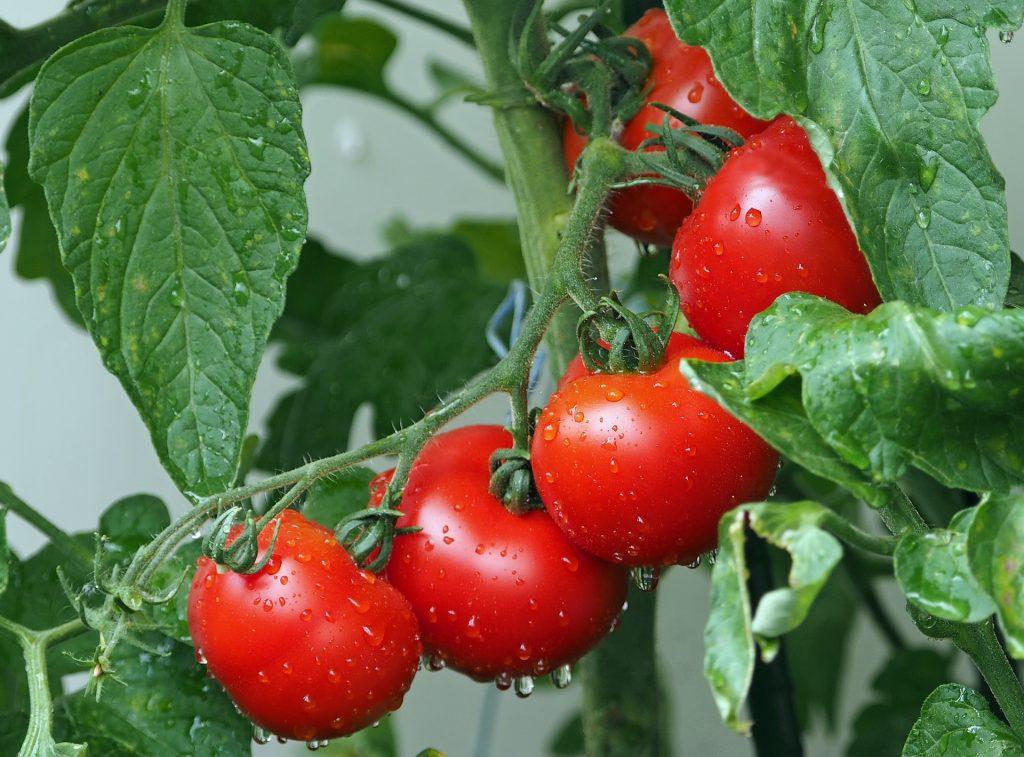
Late blight and early blight are common fungal diseases that affect tomatoes. Practice crop rotation, ensure proper spacing between plants, and remove infected leaves promptly. Copper-based fungicides can help manage tomato blight. - Downy Mildew:
Downy mildew causes yellow spots on leaves, and a downy, grayish growth appears on the undersides. Choose resistant plant varieties, maintain proper spacing, and apply copper-based fungicides to control downy mildew. - Blossom End Rot:
Blossom end rot affects tomatoes, peppers, and squash. It appears as dark, sunken spots at the blossom end of fruits. To combat it, ensure consistent watering, provide adequate calcium through supplements, and avoid over-fertilizing. - Root Rot:
Root rot, caused by waterlogged soil and pathogens, affects the roots of various plants. Ensure well-draining soil, avoid overwatering, and use sterilized soil or potting mixes to prevent root rot.
Conclusion:
A thriving vegetable garden requires vigilance and proactive measures to combat common pests and diseases. By incorporating integrated pest management (IPM) practices, fostering a healthy ecosystem, and employing organic solutions, you can protect your vegetable plants and ensure a bountiful harvest. Remember, early detection and timely action are the keys to a successful defense against garden pests and diseases. Happy gardening!