Aloe plants are a popular choice for indoor and outdoor gardening due to their low maintenance and numerous health benefits. Whether you’re a seasoned gardener or a beginner, this guide will provide you with all the information you need when caring for an Aloe Plant and keep it healthy and thriving.
Understanding the Basics of Aloe Plants.
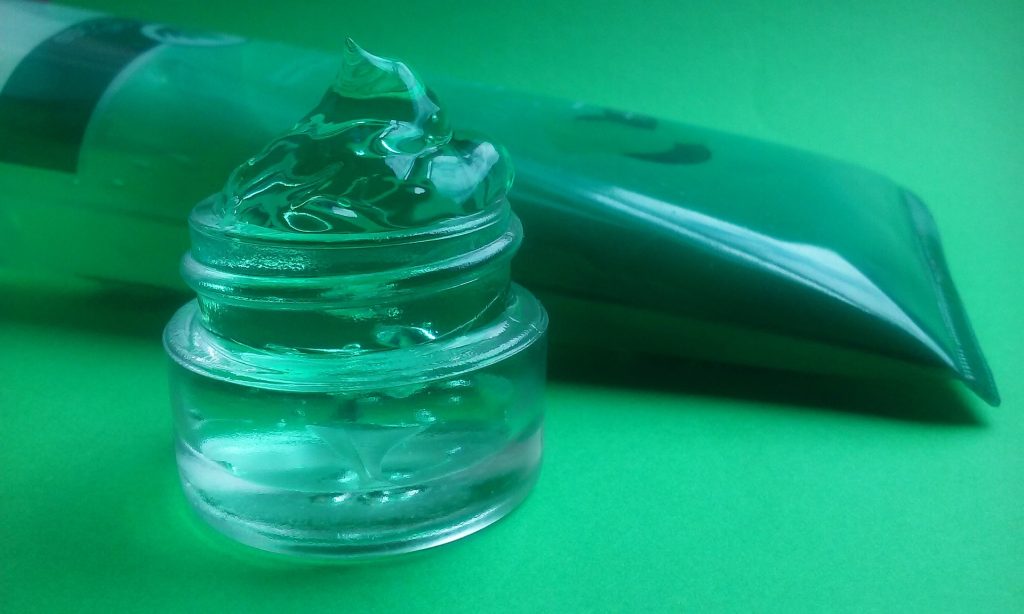
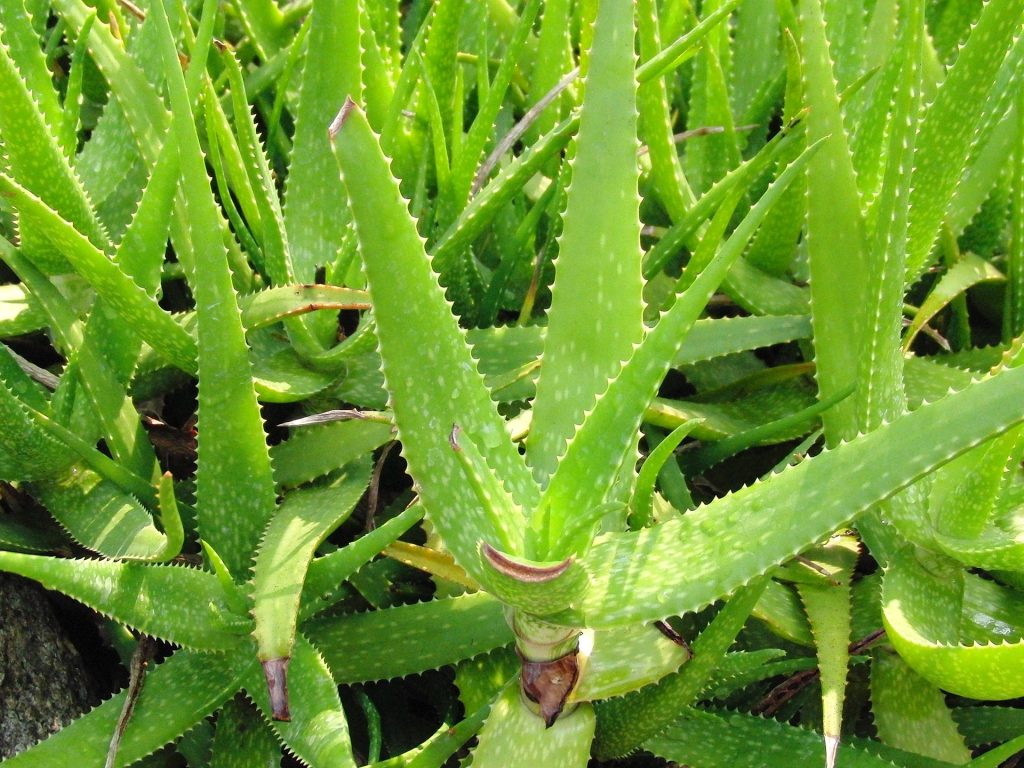
Aloe plants are succulents that are native to Africa and thrive in warm, dry climates. They are known for their thick, fleshy leaves that store water, making them drought-tolerant and easy to care for. Aloe plants also have a variety of health benefits, including soothing sunburns and promoting healthy skin. With proper care, your aloe plant can live for many years and provide you with a beautiful and beneficial addition to your home or garden.
Caring For An Aloe Plant.
Aloe plants are low-maintenance and easy to care for. They thrive in bright, indirect sunlight and should be watered only when the soil is completely dry. Overwatering can cause the roots to rot, so it’s important to ensure proper drainage. Aloe plants also benefit from occasional fertilization with a balanced, water-soluble fertilizer. If the leaves start to turn brown or mushy, it may be a sign of overwatering or inadequate sunlight.
Aloe plants are low-maintenance and easy to care for, but they do require some specific conditions to thrive. When choosing a spot for your aloe, make sure it gets bright, indirect sunlight or artificial light. Direct sunlight can be too harsh and cause the leaves to turn yellow and dry out. If your aloe is in a sunny location, you may need to water it more frequently to keep it hydrated.

To care for your aloe plant, it’s best to keep it in a pot near a sunny kitchen window. This will allow you to easily access the plant for periodic use, such as when you need to apply the gel to a burn or cut. Make sure to water the plant sparingly and avoid overwatering, as aloe plants prefer dry soil.
Aloe plants are a popular houseplant due to their easy care and health benefits. To care for an aloe plant, place it in a sunny spot and water it sparingly, allowing the soil to dry out between waterings. However, it’s important to note that the gel from aloe vera leaves should not be ingested by people or pets as it can cause nausea, indigestion, and even toxicity in larger quantities. Stick to using the gel topically for its healing properties.
Choosing the Right Soil and Pot when caring for an Aloe Plant.
When it comes to caring for your aloe plant, choosing the right soil and pot is crucial. Aloe plants prefer well-draining soil that is slightly acidic, with a pH between 6.0 and 7.0. You can purchase a pre-made cactus or succulent soil mix, or make your own by combining equal parts sand, perlite, and peat moss. When selecting a pot, choose one that is slightly larger than the plant’s current container and has drainage holes to prevent water from pooling at the bottom. Terra cotta pots are a popular choice for aloe plants, as they allow for air circulation and help to prevent overwatering.
Watering and Fertilizing Your Aloe Plant.
Aloe plants are considered to be “low-maintenance” and don’t require too much water or fertilizer. When watering, allow the top inch or two of soil to dry out before giving your plant a deep soak. Once your aloe plant has been established, it’s important to fertilize it every few months with a balanced liquid fertilizer diluted to half strength. This will help ensure that the plant gets all the vital nutrients necessary for healthy growth.
Providing Adequate Sunlight and Temperature.
Aloe plants thrive in bright, indirect sunlight. Place your plant near a window that receives plenty of natural light, but avoid direct sunlight as it can scorch the leaves. Aloe plants also prefer warm temperatures between 60-75°F (15-24°C). Keep your plant away from cold drafts or extreme heat sources like radiators or heaters. With proper sunlight and temperature, your aloe plant will grow healthy and strong.
Dealing with Common Aloe Plant Problems.
While aloe plants are generally easy to care for, they can still experience some common problems. One issue is overwatering, which can lead to root rot and yellowing leaves. To avoid this, make sure the soil is completely dry before watering and only water once every two to three weeks. Another problem is brown or black spots on the leaves, which can be caused by too much direct sunlight or pests like mealybugs. Move your plant to a shadier spot and treat any pests with a natural insecticide.
Propagating Aloe Vera
If you want to care for an aloe plant, it’s important to know that they are best propagated by replanting the offsets, also known as “pups,” that grow at the base of the plant. As the plant matures, it will produce many of these pups, which can be easily transplanted to other pots or areas of your garden. You can even share them with friends as a thoughtful gift!
If you want to grow more aloe vera plants, you can propagate them from the “pups” that grow off the main plant. To do this, carefully remove the pup from the parent plant and let it dry for a day or two. Then, plant the pup in a well-draining soil mix and water it sparingly until it establishes roots. Once the new plant is established, you can care for it like any other aloe vera plant by providing it with bright, indirect light and watering it only when the soil is dry.
To care for an aloe plant, you will need a few essential items: gloves to protect your hands, a trowel for digging, a pot to transfer the plant into, and a cactus potting medium to provide the right soil conditions. With these tools, you can ensure that your aloe plant thrives and stays healthy.
When caring for an aloe plant, it’s important to wear gloves to protect your hands from the plant’s sharp edges. Next, fill the pot with potting mix, making sure to leave enough space for the plant’s roots to grow.
To care for your aloe plant, start by locating the pups at the base of the mother plant. Gently use a trowel to pry up a pup and cut the taproot that connects it to the mother. Don’t worry if some pups have more extensive root systems than others or have no roots at all – they will still grow just fine.
To care for your aloe plant, it’s important to properly handle any pups (small offshoots that grow from the main plant). If a pup has any broken cuts, lay it flat in a sunny window for a few days to allow the cuts to callus over and heal. This will help ensure the pup grows into a healthy, mature plant.
When caring for an aloe plant, it’s important to properly plant any new pups that may grow. To do so, place the pup in a pot and make sure to cover any roots. Then, backfill the soil just below the main crown, where the leaves fan out. This will ensure that the pup has enough support and nutrients to grow into a healthy aloe plant.
To care for your aloe plant, make sure to water it regularly and place it in a sunny spot near a window. It’s important to note that it may take several months for the plant to grow roots, so be patient and consistent with your care.
Potting and Repotting Aloe Vera
To care for your aloe plant, it’s important to keep in mind its shallow and wide root system. As the plant grows, it’s best to repot it into a wider pot rather than a deeper one. You’ll know it’s time to repot when the plant becomes root bound or if its pups seem overcrowded. When repotting, gently remove the mother plant and pups from their container, being careful not to damage the leaves. Separate the pups from the mother, let them dry, and then replant them on their own. Use a cactus soil medium in a wider pot and repot the mother so that all of the roots are covered and the soil line hits just below the main crown. Water all the plants thoroughly and allow the soil to dry completely before watering again.
Common Pests & Plant Diseases To Look Out For When Caring For An Aloe Plant.
Aloe plants are generally low maintenance, but they can still fall prey to pests such as mealybugs, aloe scale, and aloe mites. Mealybugs tend to gather at the base of the plant and secrete a sticky substance that attracts mold. Scale won’t necessarily kill the plant, but it can leave unsightly grey ridges on the leaves. Mites can be hard to spot, but if left unchecked, they can cause cancerous galls to form on the plant. To care for your aloe plant, regularly inspect it for signs of pests and treat any infestations promptly.
Taking care of an aloe plant involves keeping an eye out for common pests like mealybugs, scale, and mites. If you spot mealybugs, gently wipe them away with a soft cloth after spraying the plant with water. Scale can be eliminated by mixing 1 tablespoon of insecticidal soap, 1 cup of isopropyl alcohol, and 1 cup of water, then spraying the solution on the affected leaves every three days for two weeks. If you notice mites, prune the infected tissue to prevent the spread of the infestation to other plants.
Aloe plants are generally low maintenance, but they can be susceptible to certain diseases. A common one is aloe rust, which is caused by a fungus and shows up as yellow spots on the leaves. If left untreated, these spots can expand and turn brown. While this disease usually goes away on its own, it’s important to avoid cool temperatures and high humidity, which can trigger it. Another disease to watch out for is bacterial soft rot, which is fatal and caused by overwatering. To prevent this, make sure not to overwater your aloe plant and allow the soil to dry out between waterings.
If you liked this article check out more of our medicinal plant guides.