Tomato rot is a common issue faced by gardeners, but what exactly is it? Tomato rot is caused by a fungus that attacks the fruit of the plant, causing it to decompose. This can be a problem for both home gardeners and commercial farmers alike. Keep reading to learn more about tomato rot and how to prevent it!
Tomato Rot is a type of plant disease that can affect both tomatoes and potatoes.
Tomato rot is a common yet devastating plant disease observed in tomato and potato crops. Recognizing tomato rot as early as possible is essential to preventing it from spreading and ruining the entire crop. There are several signs that tomato rot is present in a tomato or potato field, such as wilting leaves, brown spots on the fruit, yellowing leaves, and fruit decay. If you’re wondering why your tomatoes are rotting, you may want to check for tomato rot by looking out for these warning signs! To prevent tomato rot from occurring in your tomato or potato field, make sure that all plants receive enough water without becoming flooded and consider using a chemical solution of mancozeb to help increase defense against tomato rot. Additionally, always be sure to rotate crops every season so soil isn’t overworked with the same crop planted year after year – this can contribute to tomato rot.
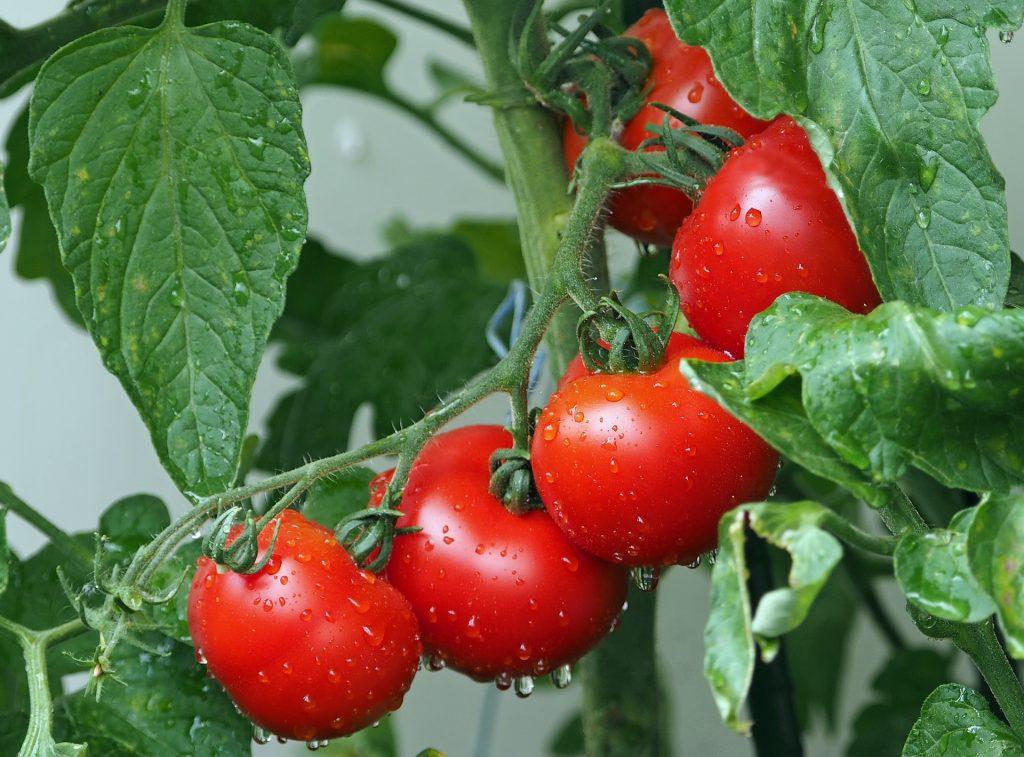
The symptoms of tomato rot include yellowing leaves, brown spots on the fruit, and softening of the flesh.
When dealing with fruit and vegetables, it is important to be mindful of any signs of rot or decay. Fortunately, symptoms of tomato rot are easily identifiable and should not be ignored. Common signs of rot include yellowing leaves, brown spots on the fruit, and softening of the flesh. If you start to notice any of these indicators on your tomatoes, it is crucial that you take immediate action in order to prevent further spread or damage. It’s best to remove the affected fruit or plant before any further harm can come to your garden or kitchen.
Rotting tomatoes is caused by a number of different fungi, including Pythium ultimum and Phytophthora infestans.

Tomato rot is a fungal disease that can potentially ruin tomato crops. It’s caused by a number of different fungi, such as Pythium ultimum and Phytophthora infestans. Pythium ultimum is often found in plants in wet environments and it thrives in warm climates with poor soil drainage. On the other hand, Phytophthora infestans affects tomato plants when the temperature or humidity become too high. To prevent tomato rot, it’s important to have good field sanitation practices and regularly check tomatoes for signs of disease. If tomato rot is spotted early enough, fungicides may be able to provide some protection against further damage caused by Pythium ultimum and Phytophthora infestans.
Tomato rot can be prevented by using fungicides and by practicing crop rotation.
Tomato rot is a common problem for gardeners, but luckily it can be avoided. Fungicides are the most reliable way to kill tomato rot, but many gardeners prefer to use preventative measures such as crop rotation. By planting different types of crops in different construction cycles, the nutrients in the soil are replenished and disease-causing organisms and fungi remain at a manageable level. Rotation can help tomatoes reach their full potential and keep them free from rot. Practicing crop rotation is an excellent way to reduce the amount of fungicides used and can result in great success with a healthy tomato harvest!
If you think your plants are infected with tomato rot, it’s important to remove them from the garden immediately to prevent the spread of the disease.
If you think that you have tomato rot in your garden, it’s important to take decisive action. You should remove the infected plants immediately and dispose of them properly. This is essential to prevent the spread of tomato rot, which can devastate other parts of your garden if left unchecked. If you’re unsure what to do, consult with your local gardening store or agricultural experts for guidance and advice on what to do if you find tomato rot in your garden. To keep your plants healthy and protected from disease, be sure to follow basic gardening best practices such as removing dead plant material, hydrating regularly with water, and checking regularly for signs of plant stress or infection.
In Conlusion
In summary, tomato rot is a dangerous plant disease that can cause significant damage to both tomatoes and potatoes. It is caused by certain fungi, and it can be prevented through the use of fungicides and crop rotation. If you think your plants may be infected with tomato rot, it’s essential to remove them from the garden immediately in order to protect the other plants. We hope this has been helpful for you! To learn more about preventing and treating pests and diseases in your garden, make sure you read our other articles on the subject. Remember: even small steps can help protect your plants! Start taking action today to ensure a healthier garden tomorrow. For more tips on how to combat nasties in your veggie garden give our gardening section a browse.