Asparagus – the gift that keeps giving.
With the arrival of early spring comes the season of harvest. Asparagus plants are one of the few perennial vegetables that are the first to be ready for harvesting. Asparagus is a perennial vegetable that can be grown at your backward.
A well-conditioned ground and favorable growing conditions are essential for planting Asparagus. Since it can be grown in the same place for years, getting the right inches of soil to grow asparagus is a requirement.
A fully grown asparagus plant requires nearly three to five years to fill in. But the asparagus thrives once it begins producing well. We assure you that you will be addicted to harvesting asparagus spears every spring for an expanded tenure. There is white asparagus, purple asparagus, green asparagus, plant asparagus, in an asparagus patch and watch your asparagus spears raise majestically out of your asparagus beds. Now, let’s take you through how to grow asparagus.
How to Plant Asparagus
It takes a span of three years to grow asparagus from seed. Once the asparagus roots spread, the asparagus rows ripen enough to be harvested. But it must be ascertained that the asparagus bed must be prepared well enough for optimum results. Being a perennial plant, there is a requirement to designate a place in your backyard or the garden where you have probably thought of growing asparagus.

Or an even better alternative would be to customize a separate and improved garden bed. The asparagus seedlings require ample space, thus ensuring that there is a difference of 12 to 18 inches deep. During the first years, asparagus plants don’t spread much. But as years pass by, these young plants rapidly fill in. The heirloom varieties require optimum space for either male or female plants to be equally harvested. It implies that they perform the simultaneous job of producing asparagus seed and self-sow. The hybrid variants are majorly male plants and are less likely to produce asparagus seeds. Thus, the space required for them is low because they’ll grow only through existing asparagus crowns.
The young asparagus plants must be saved from spotted asparagus beetle. Asparagus beetles are pests that feed on asparagus plants, causing damage to the foliage and reducing the plant’s ability to grow. The common asparagus beetle is approximately 1/4 inch long and has a reddish-brown body with black stripes.
Be wary and on the look out for the asparagus miner, another pest of the humble asparagus spears. It is a humpbacked fly looking insect which plants its whitish eggs just below the epidermis of an asparagus stalk.
Asparagus plants have the capability to withstand extreme air exposure but ensure that they look firm and fresh, not mushy. They’re cold-tolerant, and asparagus thrive in early spring.
Harvest spears when they are 8 to 10 inches tall. The thinner they are the more tender those tasty spears will be. Just make sure that you use a sharp knife.
Asparagus care
Light:
Asparagus plants require full sun to grow at their best. Often without strong sunlight, you won’t witness raised beds, and spear production is thin. The young spears or plant crowns get withered easily.

Soil:
Getting the soil bed right is yet another vital factor. Constant efforts and time need to be invested in building up the nursery bed. The soil surface pH of the perennial crop must be neutral, within the range of 6.5 to 7.0. The soil surface must be devoid of any large stones or weeds, and proper drainage of the land is also necessary to ensure the growing asparagus successfully. A sandy soil, due to its ability to drain well is great for planting seeds and to plant asparagus crowns alike.
Water:
A weekly requirement of 1 to 2 inches deep of water is essential for the initial growing season. Make sure to water the older male and female plants about 1 inch every week. If possible, arrange for drip irrigation or a soaker hose in the soil bed.
Temperature and Humidity
The ideal temperature for growing asparagus ferns is 70 to 85 degrees Fahrenheit during the day, and during the night, the temperature is 60 to 70 degrees at night. During spring, when the temperature of the soil reaches 40 degrees, new shoots begin to grow. The starting asparagus cannot survive during colder months. Asparagus plants cannot survive when the temperature is more than 85 or lower than 55 degrees.
Fertilizer
Well-rotten compost, manure, and fish emulsion, if steadily supplied, are well appreciated by asparagus plants. Nutrients can also be extracted from organic mulch and added to the soil for additional benefits. The added nutrients work as a balanced organic fertilizer and will allow the asparagus plants to grow strong. Being perennials, these plants have the potential to grow and live for years.
Types of Asparagus
- ‘Mary Washington’: Probably the most available variant and an open-pollinated green variety that grows ample amounts of spears and better tips.
- ‘Jersey Giant’: It’s an all-male variety that yields huge amounts of green spears and attractive purplish bracts.
- ‘Brock Imperial’: A bit pricy for the large yields that it provides.
- ‘Princeville’: This variety particularly does well when the climate is warmer.
- ‘Purple Passion’: It is much sweeter and tender when compared to its green counterparts.
Common Asparagus Pests & Plant Diseases
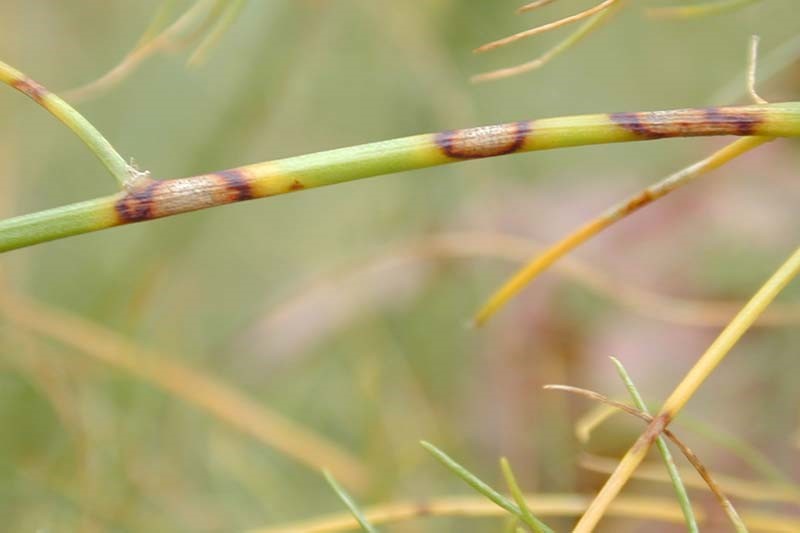
Pests and plant diseases can be kept at bay by going for the right kind of resistants and opting for organic controls. The easiest way to get rid of them is to install a floating row on the top of the plants that will refrain pests from laying eggs. A few common varieties of pests and diseases are as follows:
· Asparagus aphids
· Asparagus beetles
· Cutworms
· Japanese beetles
· Fusarium
· Purple spot
· Asparagus Rust
So How Do You Eat Asparagus?
Asparagus can be eaten raw or cooked. Here are some popular ways to eat asparagus:
Boiled or steamed: Simply boil or steam asparagus for 2-5 minutes until tender.
Grilled: Brush asparagus with olive oil, season with salt and pepper, then grill for 3-5 minutes until charred.
Roasted: Toss asparagus with olive oil, season with salt and pepper, then roast in a 400°F oven for 10-15 minutes.
Stir-fried: Quickly stir-fry asparagus with garlic and other vegetables.
Enjoy with a squeeze of lemon juice or a dip of your choice.
Here we will mention a low-fat recipe that is common and loved worldwide.
Asparagus Salad

These perennial crops make a great side salad at your dinner tables. Add chopped onion, vinegar, lemon juice, mustard paste, salt, and pepper in a medium bowl. Mix all the ingredients well and set aside.
Meanwhile, boil a bunch of freshly picked asparagus with a pinch of salt. Once the water comes to a boil, wash the asparagus in cold running water. Drain and place the asparagus in a dish and marinate them with the pre-made mixture. Allow them cool and serve.
FAQ
Does asparagus keep growing after you cut it?
Though there won’t be the same plant stalks that will regrow after you have cut the plant, there will be multiple plant stalks that will pop from the ground at various intervals.
How much asparagus do you get from one plant?
After having analyzed, we have found that one crown product will be producing an amount of half a pound of spears. For harvesting 10 pounds every season, all you need is a row of 20 plants; each planted one foot apart.
Conclusion
Now that you have read enough about the essentials of growing asparagus, we are sure that your coming spring will be all about growing asparagus. Asparagus is a delicious pre-summer perennial vegetable that is particularly grown to extract its tender young shoots. If once you are able to establish a proper asparagus bed then, you can expect to reap your harvest for a long duration of 20 years. I bet you can’t wait to start harvesting spears from your asparagus crown.
Don’t forget there are many more wonderful vegetables out there just waiting for you to grow them and we are here to help you on your journey with our great guides and articles section.