Introduction to The Ultimate Guide to Apple Storage: Keep Your Fruit Fresh
It feels like it was only yesterday that you brought that first fresh apple tree home from the orchard, and now, you’ve got dozens of ripe apples ready for harvest. But storing apples requires a little extra care. Keeping your apples fresh and delicious requires proper storage techniques.
That’s why I’ve created The Ultimate Guide to Apple Storage: Keep Your Fruit Fresh. In this blog post, I’ll share everything you need to know about apple storage and preservation.
Apples are a delicious and nutritious fruit that can be enjoyed in a variety of ways. However, if not stored properly, they can quickly spoil and go to waste. To ensure your apples stay fresh and delicious for as long as possible, it’s important to know the best storage methods. In this ultimate guide to apple storage, we’ll cover everything you need to know to keep your apples in top condition.

First, I’ll explain why proper apple storage is so important and what methods are best for keeping your apples fresh. Then, I’ll go into detail about specific types of apple storage and the best containers for your apples. I’ll also discuss how to tell when apples have gone bad, and how to keep your apples from spoiling.
At the end, I’ll leave you with a few parting tips for storing apples, so that you can make sure your favorite fruits are always available and delicious.
So, let’s get started and learn all about the best ways to store apples, so you can enjoy them for weeks to come.
Apple Storage
- Storing Apples: The key to keeping apples fresh is to store them in a cool, dark and ventilated location, away from direct sunlight and with enough circulation of air.
- Temperature: Apples need to be stored at a temperature of 7-10°C (45-50°F) for optimal freshness for up to one month. Keeping them in temperatures higher than 12°C (54°F) will cause them to ripen quickly, lose their crispness and flavour, and become mealy and unsuitable for eating.
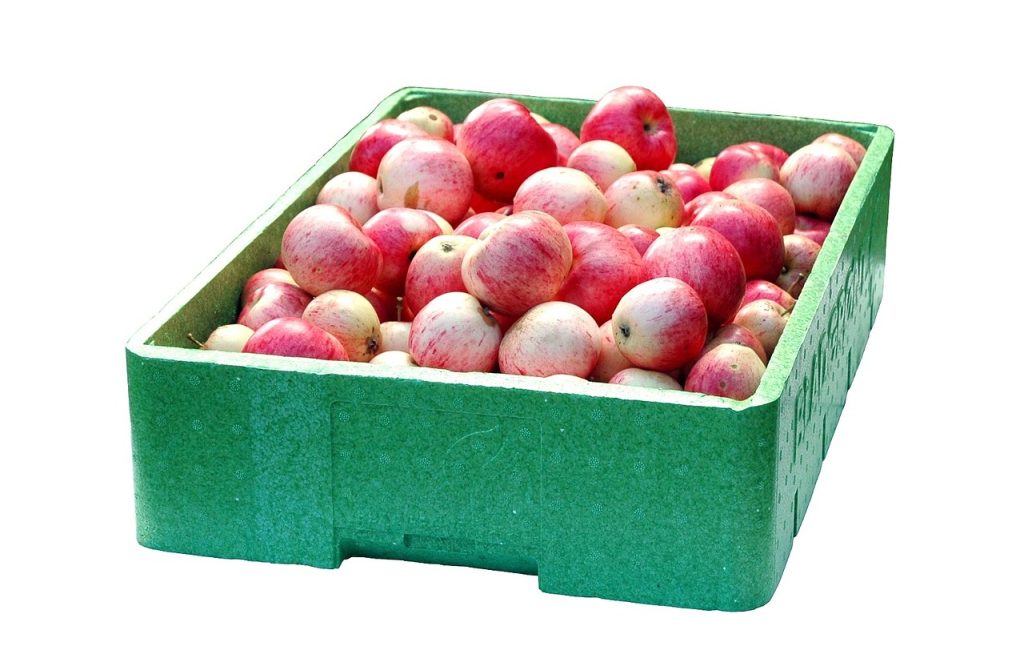
- Containers: It’s best to store apples in a shallow, well-ventilated container and away from other fruits and vegetables. Do not put apples in a plastic bag as this may cause them to sweat and deteriorate quickly.
- Refrigeration: Apples can be stored in the refrigerator for several weeks, or even up to 6 months in some cold climates, but be aware that this can cause the skin to lose some of its bright colour.
- Re-wrapping: Place apples in appropriate, breathable containers and place a sheet of paper towel or newspaper in between and around them. Place the lid on top and make sure it’s well-ventilated.
- Slices and Pieces: Cut apples should be stored in the refrigerator in an airtight container lined with a moist towel to keep them from drying out. Eat cut apples within two days of cutting.
- Ripening: To ripen apples, keep them at room temperature in a single layer. For faster ripening, place them in a breathable container with an apple or banana.
- Preservation: To preserve apples for a longer period of time, you can freeze them. Simply core and slice the apples, dip or sprinkle with lemon juice and freeze in an airtight container for up to a year.
- Checking for Freshness: To check if an apple is still fresh, look for signs of softening, wrinkling and discolouration. Avoid buying bruised apples as they are more likely to have gone bad.
- Uses: Apples can be used in a variety of recipes such as pies, cakes and crisp. Eaten fresh, they make a great addition to salads and smoothies. Apples can also be used to make apple sauce and cider.
Proper Storage
With the increasing popularity of apples and the many different ways you can use them, it is important to understand the best way to store them. Proper storage will help keep your apples fresh and tasty longer. The following guide will show you how to store apples the right way so they remain fresh and fragrant.
First, select firm and unblemished apples. Avoid buying apples with bruises, soft spots, and other signs of damage. Also, select apples that are the same size and type so all the apples ripen at the same time.
Second, store your apples in a cool location. The ideal temperature range is between 30 and 35 degrees Fahrenheit. Apples should be kept away from other produce, such as potatoes and onions, as these items give off ethylene gas, which causes apples to ripen faster.
Third, store apples in plastic bags or bins with small holes to facilitate airflow. The bags or bins should be placed in the crisper of the refrigerator or in a cool ventilated area. Apples stored in plastic bags should be checked every few days and any apples that show signs of spoilage should be discarded.
Fourth, to maintain the freshness of apples, you can also store them in a waxed bag and place it in the refrigerator. The wax coating in the bag will help trap moisture and keep the apples fresh.
Choose the right type of apple for storage.

Not all apples are created equal when it comes to storage. Some varieties are better suited for long-term storage than others. For example, firm and tart apples like Granny Smith, Honeycrisp, and Pink Lady are great for storing, while softer and sweeter varieties like Red Delicious and Gala are best eaten fresh. When selecting apples for storage, choose those that are firm, free of bruises or blemishes, and have a good stem attachment.
Keep apples away from other fruits and vegetables.
When storing apples, it’s important to keep them away from other fruits and vegetables. Apples release a gas called ethylene as they ripen, which can cause other produce to ripen and spoil faster. To prevent this, store apples in a separate drawer or compartment in your refrigerator or in a cool, dark place away from other produce. This will help extend their shelf life and keep them fresh for longer.
Use proper storage containers.
When it comes to storing apples, the right container can make all the difference. Avoid storing apples in plastic bags, as this can trap moisture and cause them to spoil more quickly. Instead, opt for a breathable container like a paper bag or a mesh produce bag. These containers allow for air circulation, which can help prevent moisture buildup and keep your apples fresh for longer. Additionally, if you’re storing sliced or chopped apples, be sure to use an airtight container to prevent them from drying out.
Check and rotate your apples regularly.
Even with proper storage, apples can still go bad over time. It’s important to check your apples regularly for any signs of spoilage, such as soft spots or mold. If you notice any spoiled apples, remove them from the container immediately to prevent them from contaminating the rest of the fruit. Additionally, it’s a good idea to rotate your apples every few days to ensure that they’re all getting equal exposure to air and preventing any apples from being squished or bruised at the bottom of the container.
Finally, apples can also be stored in a root cellar. A root cellar is a cool, dark place where temperatures range from 32 to 40 degrees Fahrenheit. Root cellars are perfect for storing apples for an extended time. Root cellars are available in many shapes and sizes, the key is to ensure that the temperature is consistently cool and that it doesn’t get too damp.
By following the above-mentioned tips, you will be able to store apples and keep them fresh for an extended period of time. Apples are a great source of nutrition and can be used in a variety of ways. Make sure to properly store your apples so they remain delicious and full of flavor.
If you loved this article wait to read the rest of our guides and articles.