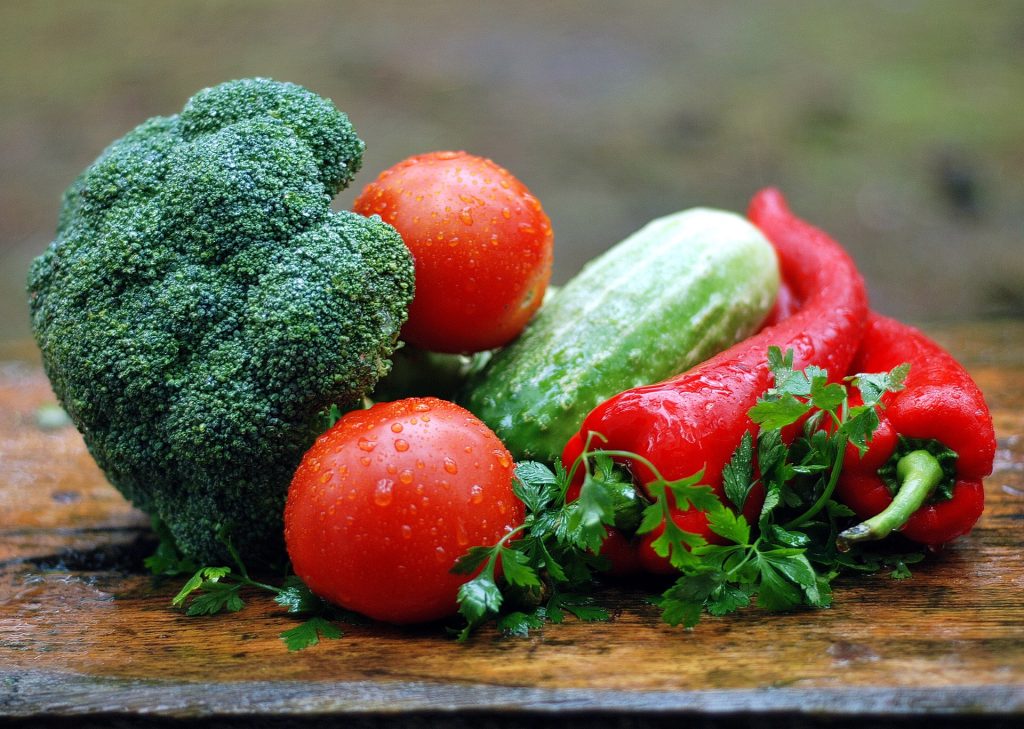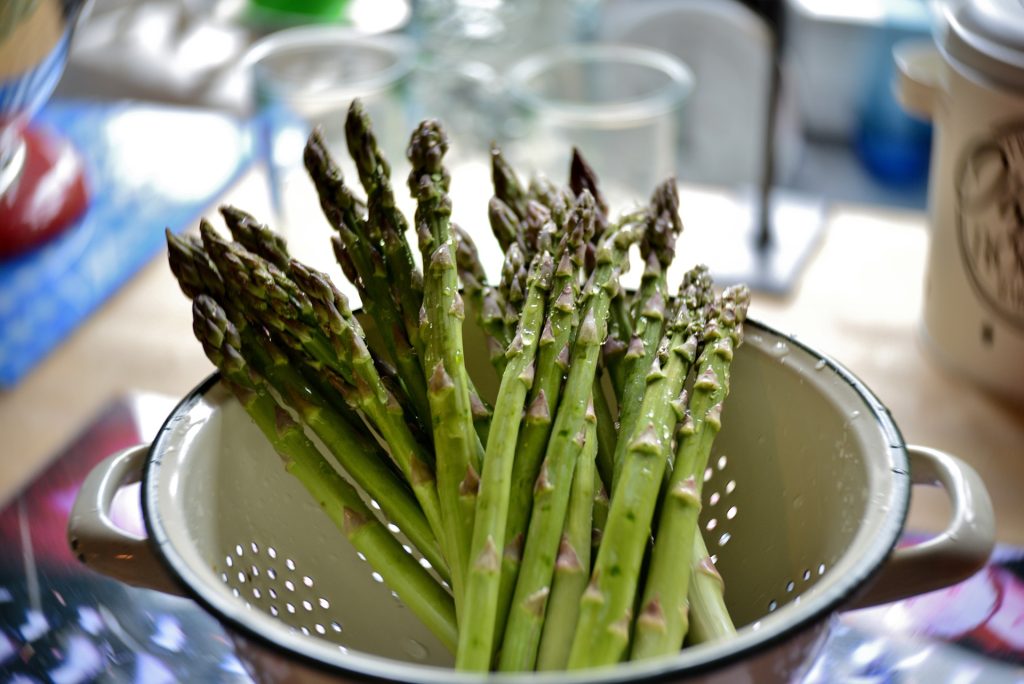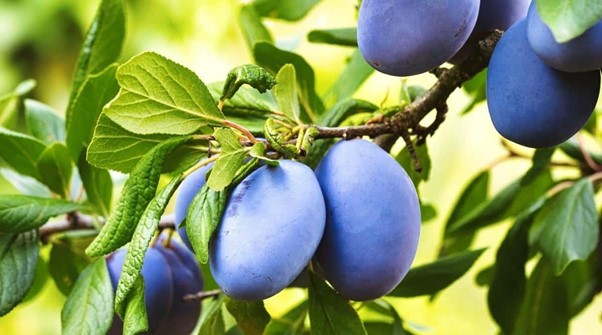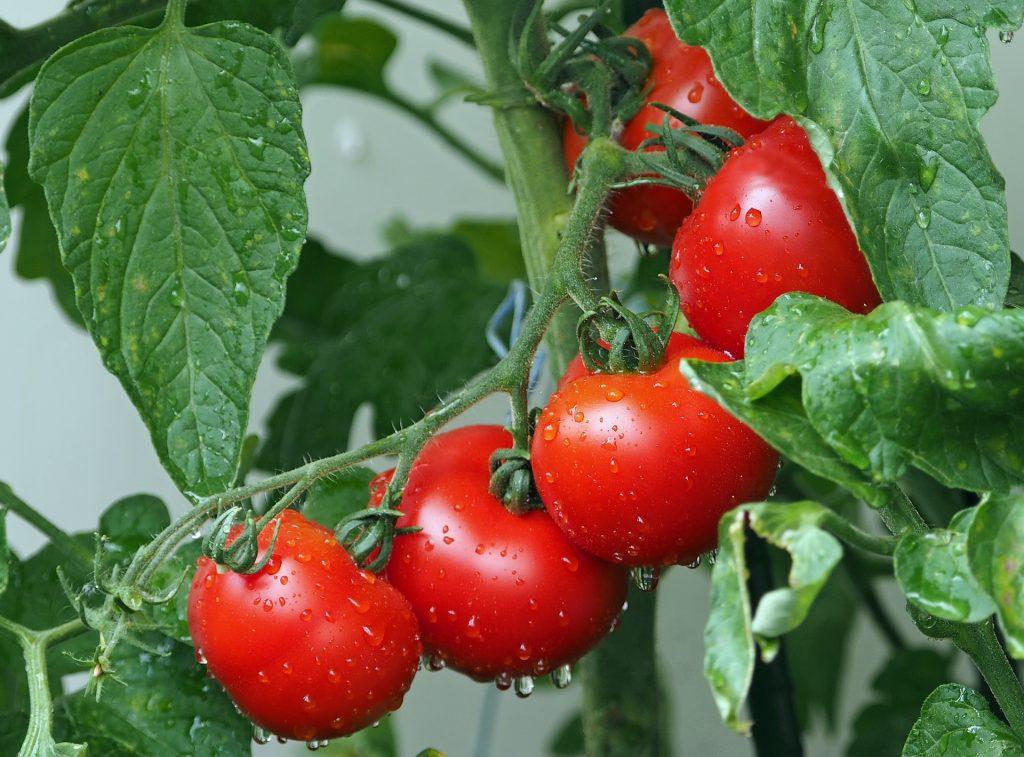
Vegetables are even better cooked fresh from your very own veggie garden.
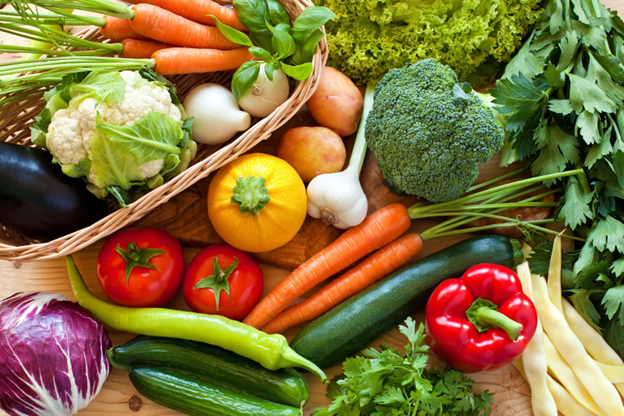
There isn’t just one vegetable considered the healthiest, but incorporating a diverse range of vegetables into your diet can have significant health benefits. Vegetables are rich in important nutrients such as minerals, fiber, antioxidants, and vitamins.
Studies suggest consuming beet juice, medium sweet potato, mustard greens, Swiss chard, leafy greens, and other vegetables can increase good bacteria in the body. Half a cup of starchy vegetable can reduce coronary heart disease.
However, do you know about growing and harvesting vegetables or cooking delicious recipes with them? Keep reading to expand your knowledge about vegetables.
Why Do We Need Vegetables?
Veggies are colorful, flavorful, and filling. A bowl full of a variety of veggies like Swiss chard, collard greens, and other vegetables can offer many benefits, including.
#1 Improve Blood Pressure
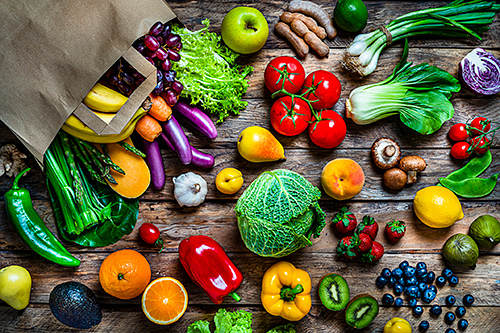
High blood pressure is a common health problem, so eating too much salt is not advised. Instead, one can eat more potassium-rich food to reduce the risk of a high-sodium diet. Veggies like spinach and beets are high in potassium.
#2 Up Your Dietary Fiber
High-fiber foods like legumes, nuts, whole grains, and vegetables can help you get sufficient nutrients. A balanced level of dietary fiber can improve gut health and reduce the risk of diabetes.
#3 Regulate Blood Sugar
Veggies like green bell peppers and cauliflowers are low in calories and fiber. Regular consumption can help you manage your blood sugar level. Try high-starchy vegetables like corn, squash, sweet potatoes, peas, and more.
#4 Reduce Heart Disease
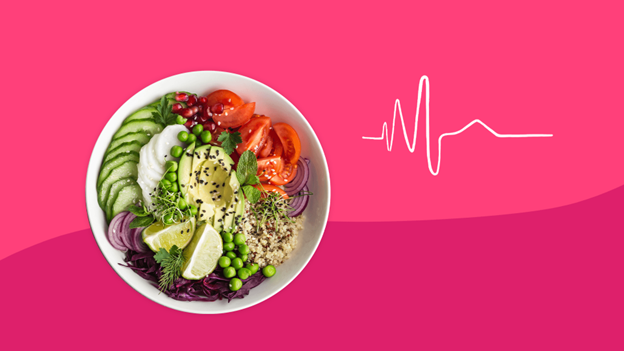
Vegetables are loaded with potassium and fiber, which benefit heart health. Adding lots of veggies like collard greens, avocados, tomatoes, and other leafy greens to your diet can reduce the chances of heart disease.
#5 Reduced Risk of Cancer
No diet can keep you cancer-free. But veggies offer antioxidants and cancer-fighting nutrients, which reduce the risk of certain cancers like breast cancer, prostate cancer, and lung cancer.
Cruciferous vegetables like cauliflower and Brussels have cancer-fighting properties. They offer potassium, vitamin C, and sulforaphane to the body, which protects cells.
Best Root Vegetables
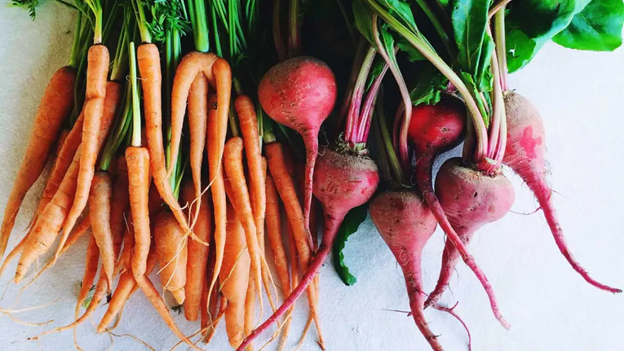
To maintain a healthy diet you can eat root vegetables like sweet potatoes, onions, turnips, beets, radishes, carrots, ginger, and more.
These are also some of the healthiest vegetables that reduce heart disease, blood pressure, and breast cancer. They also help with regular bowel movements and are loaded with anti inflammatory properties.
How to Grow Vegetables
If you are new to the world of vegetable gardening, follow these tips for success:
Start with a Small Space
Beginners must always start growing veggies with a smaller space. Planting a variety of veggies in a larger space can lead to frustration. That’s because you will have a hard time taking care of the big veggie garden. An ideal size veggie garden for beginners is 6×6.
Grow The Vegetables You Like
Let’s face it – you cannot grow all types of veggies. But you can surely grow one of the few veggies that you like. You can pick the veggie depending on its disease resistance, heat/cold tolerance, and maintenance.
Sufficient Sunlight for Vegetables
You cannot have a healthy veggie garden in a spot that receives minimum sunlight. So, carefully choose a spot where your plants can get a minimum of 6 hours sunlight. Any trees, shrubs, or fences must not block the spot.
Vegetable Garden Layout Planning
One of the most difficult tasks of starting a vegetable garden is planning the layout. You have two options: row and intensive cropping.
Raw Cropping is ideal for a larger garden because it requires you to grow veggies in a single row, 18 inches apart. This layout offers you sufficient space to walk between the garden, but it reduces the number of vegetables you can grow.
In contrast, intensive cropping is designed for small gardens to boost their productivity. It requires you to plant veggies about 4 feet apart. The downside of intensive cropping is that you have to pick weeds because the plants grow too close.
Plant Veggies in Rich Soil
You cannot use low-quality soil and expect your veggies to do well. Healthy soil is easy to dig and drains well. But if the soil feels gritty, sandy, or powdery, you need to check the quality. Your veggies want soil that is dark, crumbly, and full of life.
How to Harvest Veggies
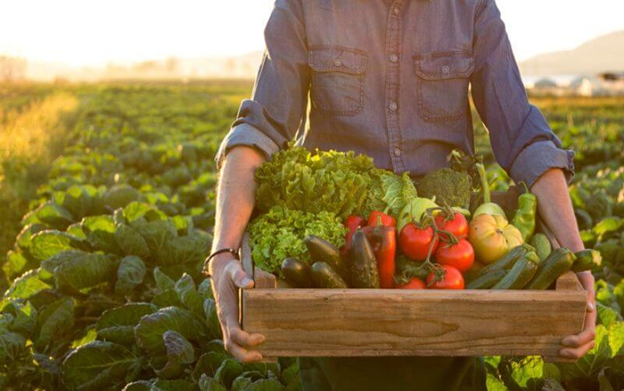
Regularly harvesting veggies is important to keep the plant in good condition.
To get the most flavor and nutrients, you should harvest the veggies when they are at their peak. You can check the size of the vegetables to know about their maturity. Don’t forget to check the seed packet to know about the exact growth period.
Many gardeners are guilty of not harvesting the veggies regularly, which results in the rotting of the plant. Remember that vegetable plants reproduce. But if you don’t harvest the veggies, your plant will stop producing them.
Once you have harvested the vegetables, you can prepare soups and whole meals loaded with all the nutrients. Eating vegetables can reduce cardiovascular disease, maintain blood sugar level, and reduce weight gain.
Conclusion
Eating nutrient-dense vegetables is key to living a healthy life. But instead of purchasing the veggies from the market, you can grow them at home.
Homegrown veggies taste the best. They promote weight loss, maintain eye health, and reduce the risk of heart disease. Follow the tips to grow and harvest veggies to start your own veggie garden.
Check out our many awesome guides on growing your own vegetables.