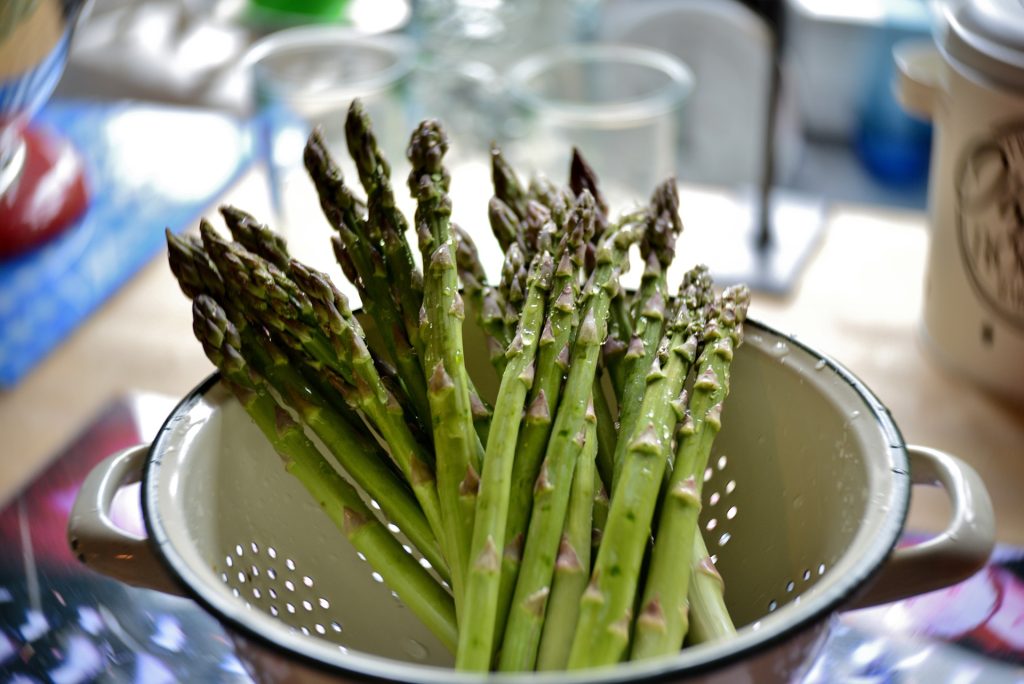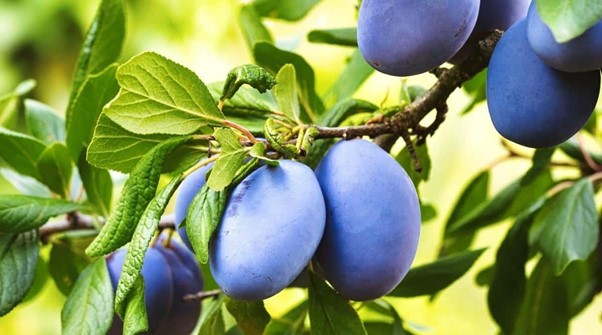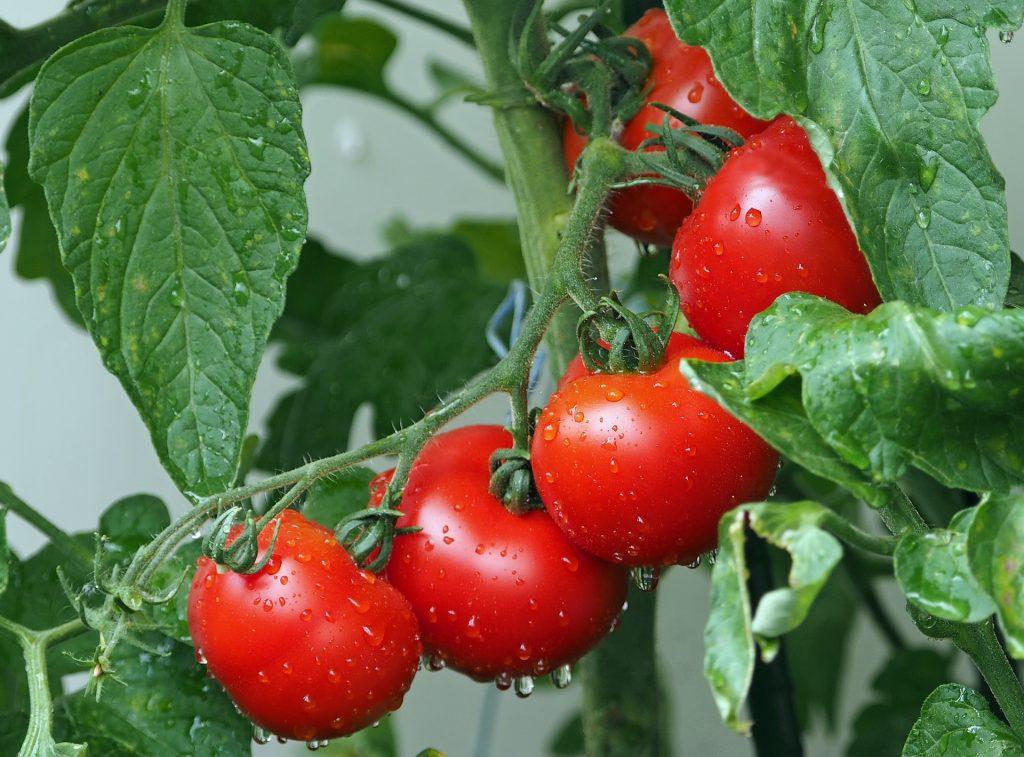
Vegan vegetables are amazing, especially fresh from your Garden.
A vegan lifestyle is not a sacrifice. It’s a joy! Discover the many Vegan Diet health benefits like increased heart health and decreased chance of cancer related diseases. Not to mention the awesome taste of fresh vegan vegetable produce straight from your veggie garden.

People from around the world like vegan food. That’s because it is believed to offer many health benefits like improved blood sugar, heart health, and more.
But it’s an exclusive plant based diet, which puts a vegan at risk of nutrient deficiencies.
Keep reading to join the vegan society and cook using animal-free alternatives.
How to Live a Vegan Lifestyle?

The word vegan was originally defined as a diet free of meat, dairy products, and eggs. Today, the words vegan can be used for any product that is made without using animal products.
The first rule of going vegan is to not cut out on animal products. Instead, you should try to crowd your diet by discovering the best vegan dishes. This way, you won’t crave meat or animal products.
Try focusing on different vegan foods each week to reduce animal products. The more food you try, the more you will like its taste. Make sure you try at least one vegan food in a day.
As you cut out on animal products, your body will get deficient. But you can replace the missing nutrients with the right food.
You can look for plant based diets that can have these nutrients, so you stay healthy while following vegan diets. Well planned vegan diet can keep you healthy and fit.
Different Vegan Diets
Vegan diets tend to help people with weight loss, high blood pressure, heart disease, reduce cancer risk, and are good for overall public health. Your vegan meals should have animal free alternatives, gluten free items, and plant based foods.
Vegan diets are divided into different varieties, including:

Whole Food Vegan Diets
Whole food vegan diets include a variety of whole plants like fruits, vegetables, nuts, seeds, whole grains, and legumes.
Raw Food Vegan Diets
Raw food vegan diets include raw vegetables, nuts, fruits, and plant foods cooked at a lower temperature.
80/10/10 Vegan Diets
It’s raw vegan that helps limit the consumption of fat-rich plants, including avocados and nuts. People following this diet mainly rely on raw fruits and soft greens.
Starch Solution Vegan Diets
It’s a low-fat and high-carb diet, similar to the earlier diet. It requires you to consume cooked potatoes, corn, and rice.
Raw Till 4 Vegan Diets
It’s a low-fat vegan diet inspired by a starch solution. Under this diet, you consume raw food till 4 p.m. and have a cooked plant based diet for dinner.
Thrive Diet
It’s strict raw vegan diets, requiring you to consume plant-based food cooked at a low temperature.
Junk Food Vegan Diets
It lacks whole plant foods. Instead, it depends on fries, vegan desserts, mock meats, cheese, and processed vegan foods.
Raw Vegan Diet: Foods to Eat
People willing to lead a vegan lifestyle must carefully switch from animal foods to plant based diet while considering their health.

- Tofu, seitan, and tempeh: It’s a delicious protein-rich alternative to meat, eggs, poultry, and fish.
- Legumes: Food items, including peas, beans, and lentils, are a great source of nutrients. They are beneficial plant compounds. You can consume them after sprouting, fermenting, or cooking.
- Nuts and nut butter: Unroasted and unbalanced varieties of nuts are loaded with fiber, magnesium, zinc, iron, vitamin E, and selenium.
- Seeds: These include flaxseeds, hemp, and chia. These seeds contain a good amount of omega-3 fatty acids and protein.
- Calcium-fortified plant milk: You can get your daily dose of calcium by consuming plant-based milk and yogurt.
- Nutritional yeast: Add an interesting flavor to your diet with nutritional yeast.
- Sprouted and fermented food: Products like kimchi, pickles, kombucha, natto, and tempeh are rich in probiotics and vitamin K2. Consuming fermented and sprouted food items can also help you get sufficient nutrients.
While following raw veganism, you must get enough protein, vitamin D, and nutrient intake. Check the best vegan cookbook online to know about different plant based diet and vegan dishes. Going vegan decreases animal exploitation and environmental concerns.
What is the Best Cow’s Milk Substitute?
When you decide to go vegan, you need to skip each animal products, including milk. Don’t worry; there’s a replacement. You can consume plant milk like soy milk as it is also rich in protein.
Almond milk is also a great plant milk source because it has a nutty flavor. You can add it to smoothies, tea, coffee, and baking.
Compared to cow milk, almond milk has less calories and fat. Plus, it is significantly loaded with carbohydrates and protein.
Besides almond and soy milk, you can consume another plant milk, i.e., oat milk. It has low calories. Oat milk is known to have a natural sweet flavor. It goes well with smoothies and cereals.
In basic words, oat milk is nothing but oat and water. But extra ingredients like oils, salt, and gums are added to enhance the taste.
Conclusion
It’s difficult to lead a vegan lifestyle because you need to cut out on animal derived products like scrambled eggs, dairy, and more. But with determination, patience, and the right knowledge, you can do it. You can check a vegan cookbook online to know about different recipes.
Going vegan reduces cancer risk, heart disease, and high blood pressure. Your vegan meals must include plant foods like soy milk, leafy greens, whole grains, coconut oil, and similar products. You must not eat meat and animal derived products.
If you are switching to a vegan lifestyle and want to do it successfully, thoroughly read the tips mentioned in this post and check out our guides on how to grow your own vegetables to support you Vegan lifestyle.